A Man of Culture & Running
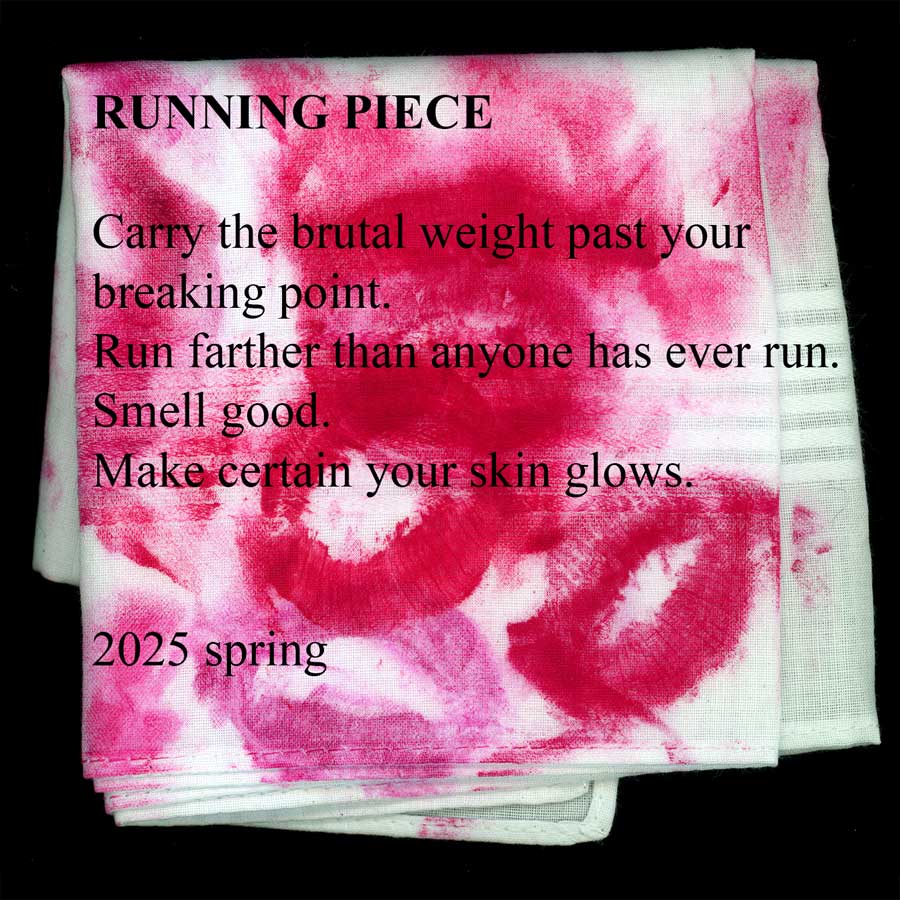
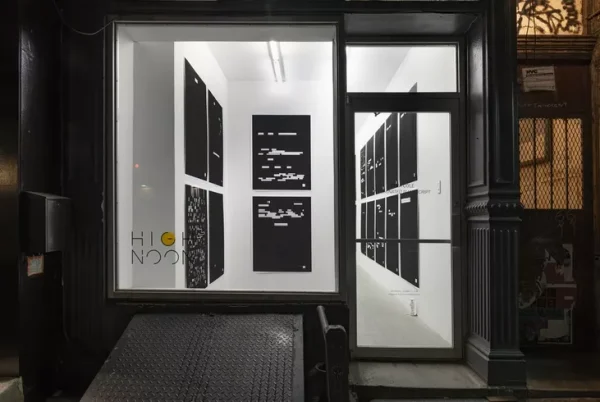
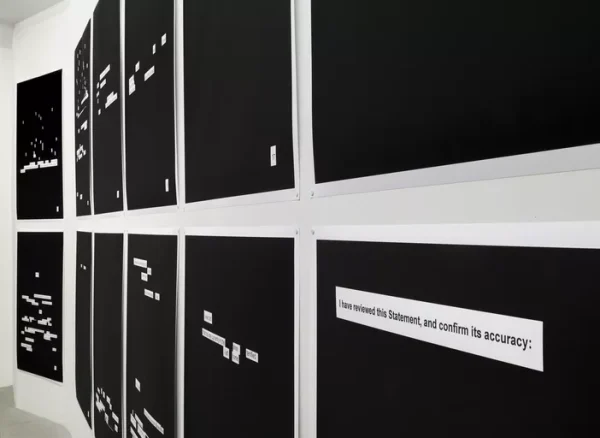
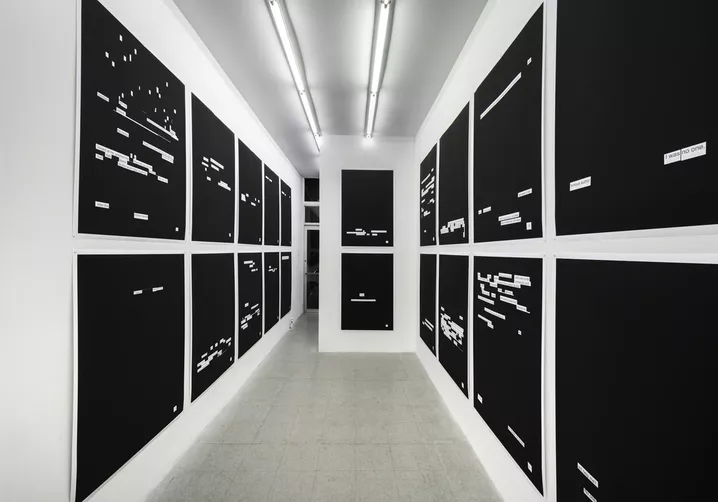
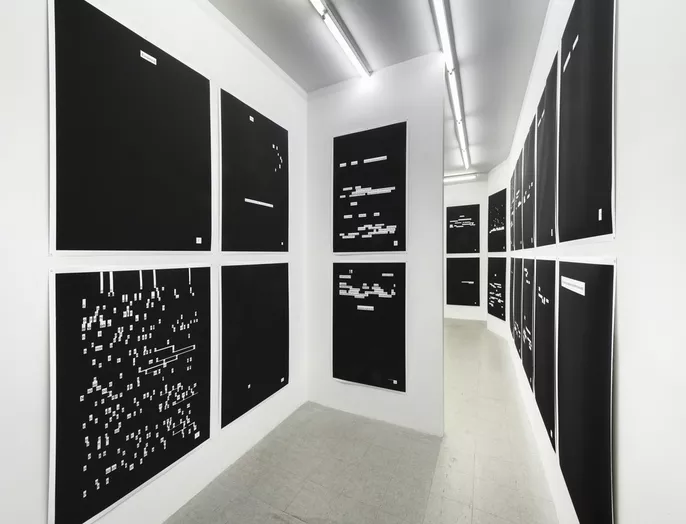
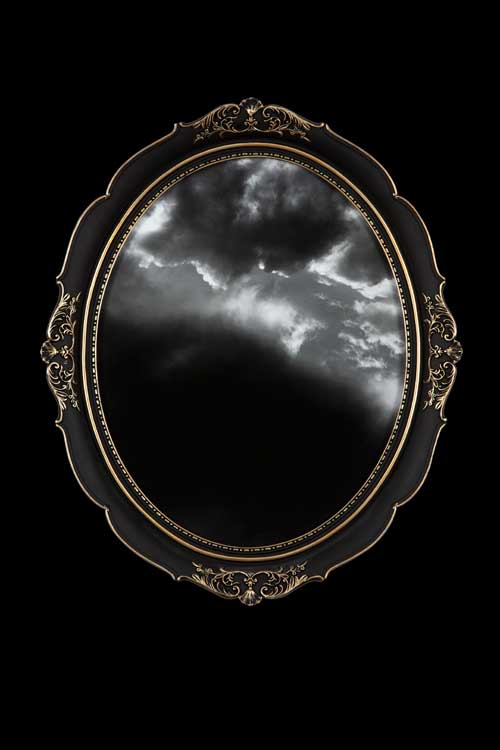
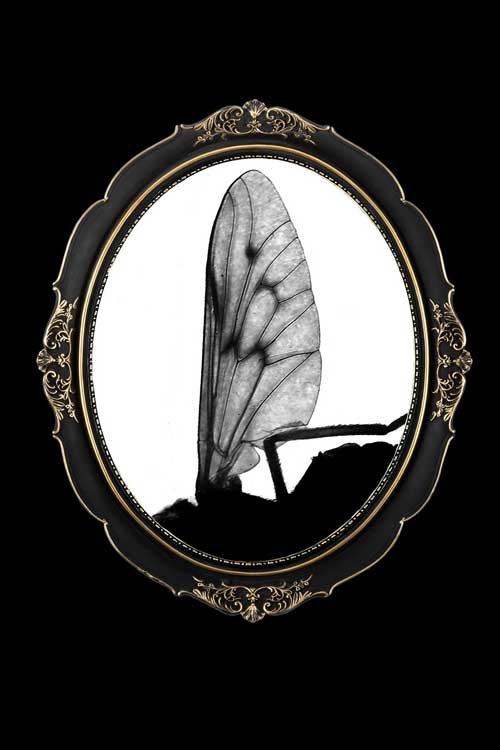
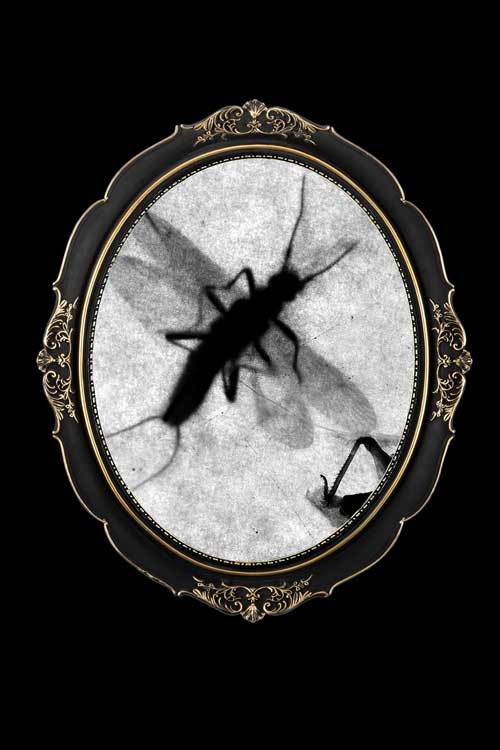
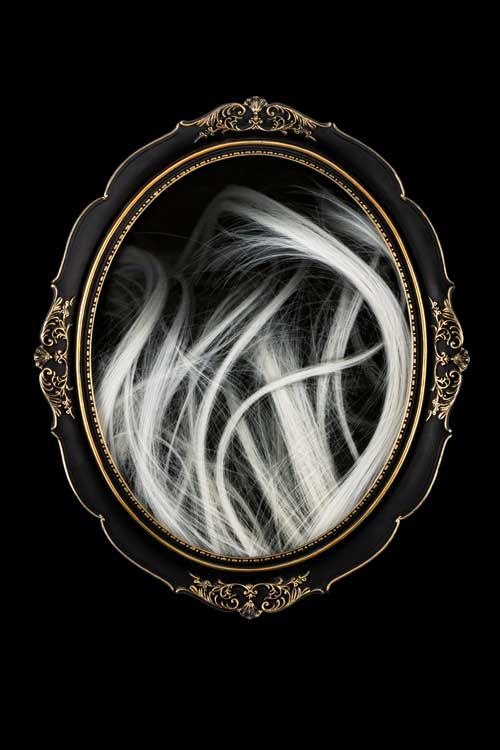
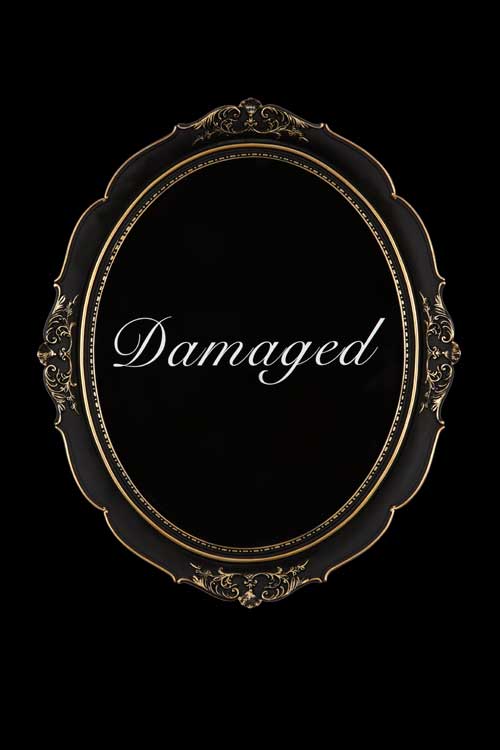
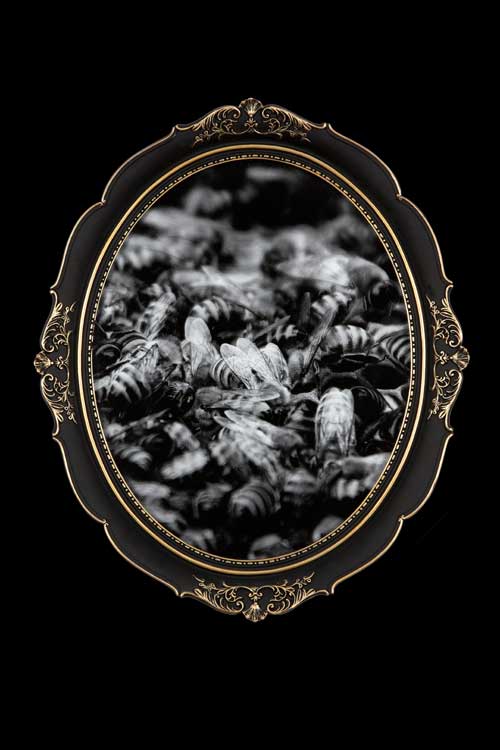
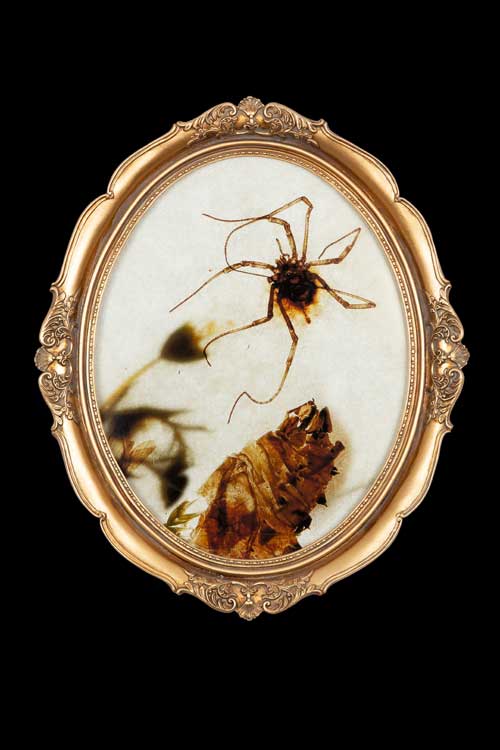
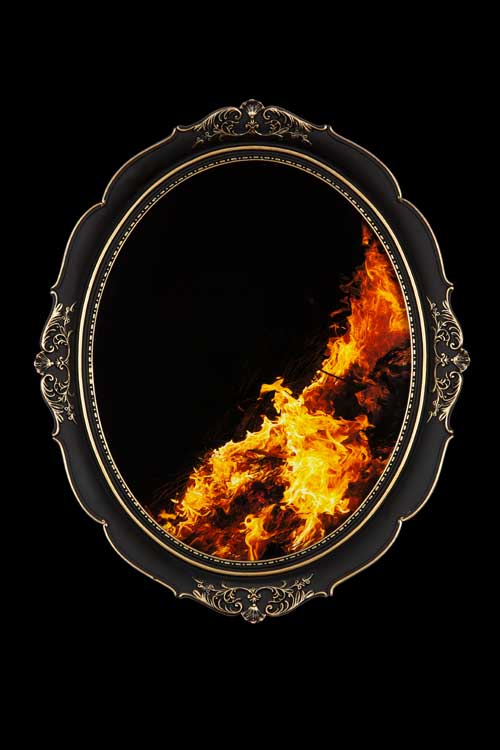
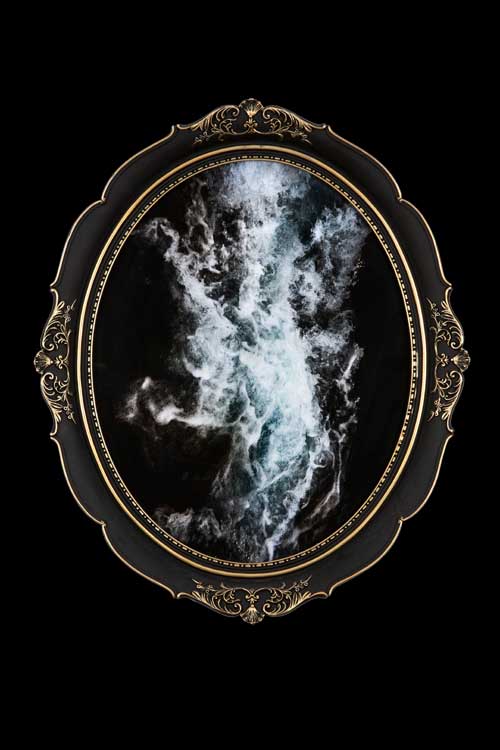
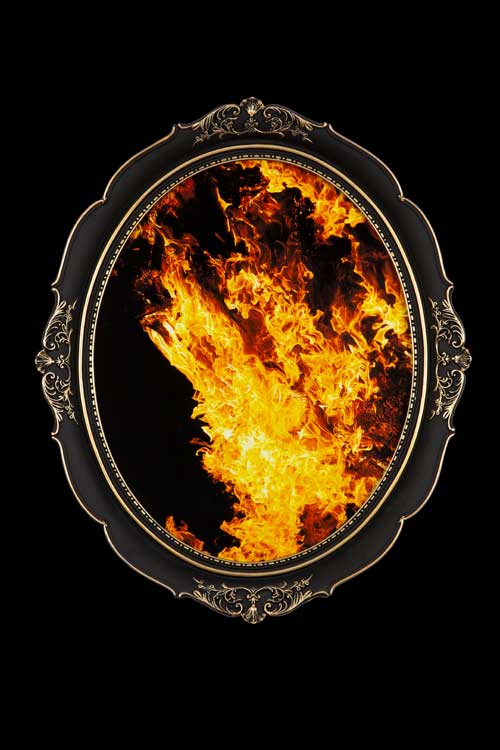
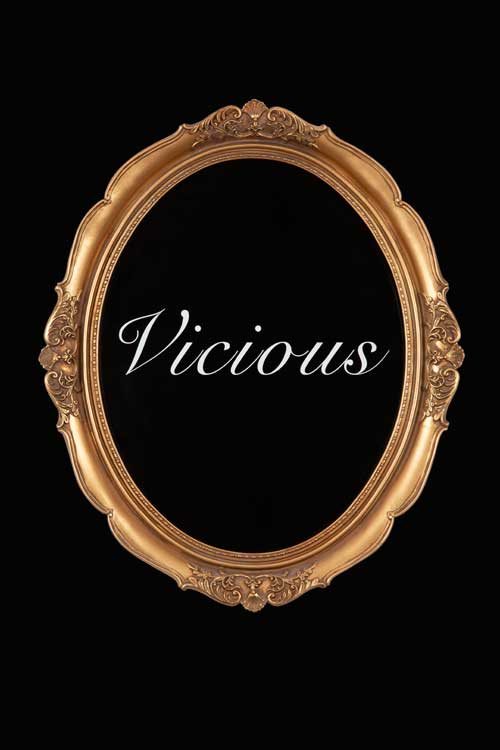
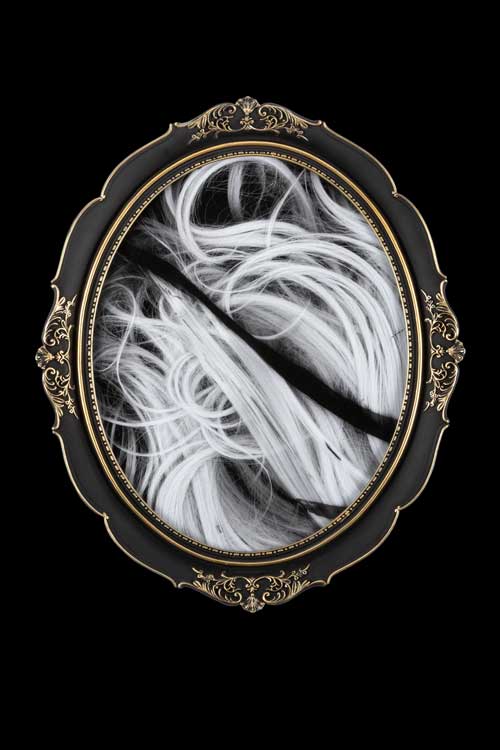
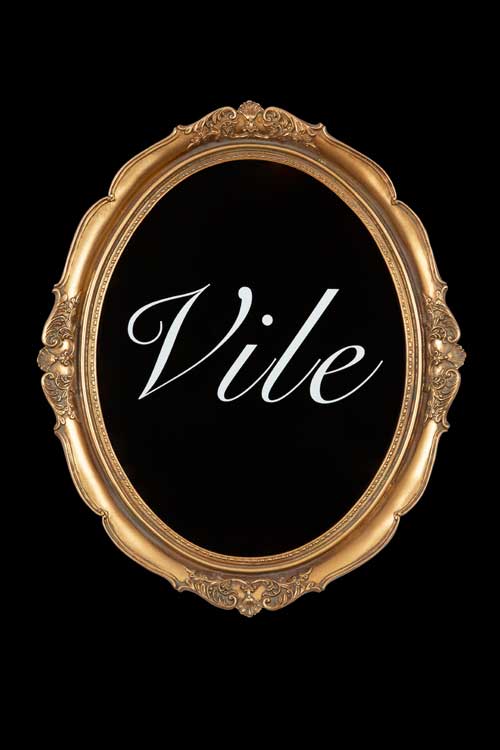
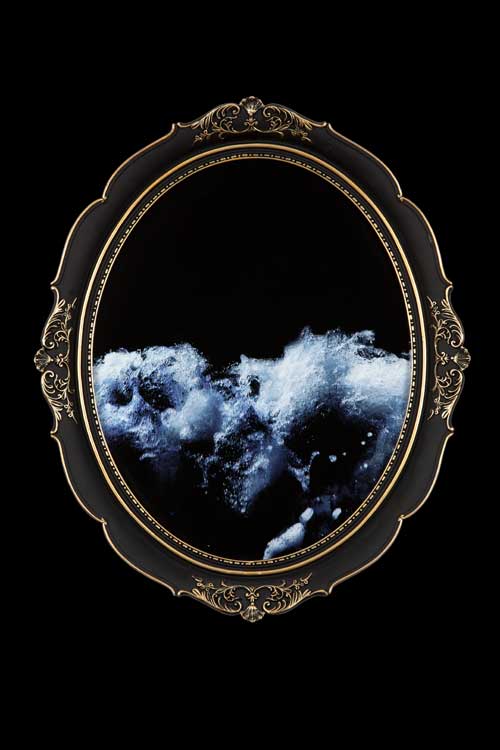
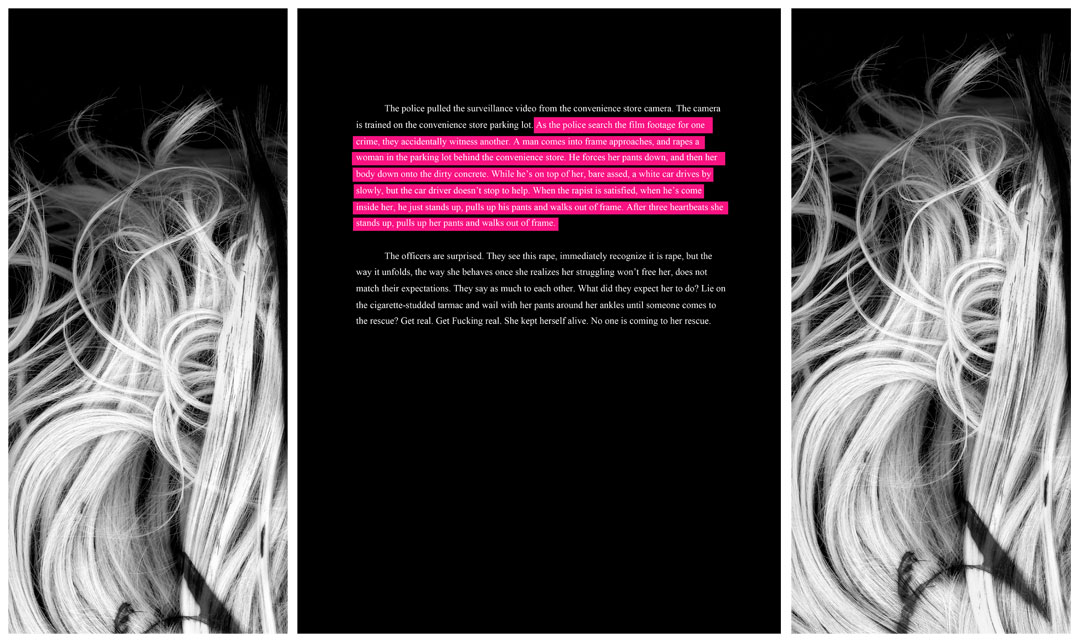
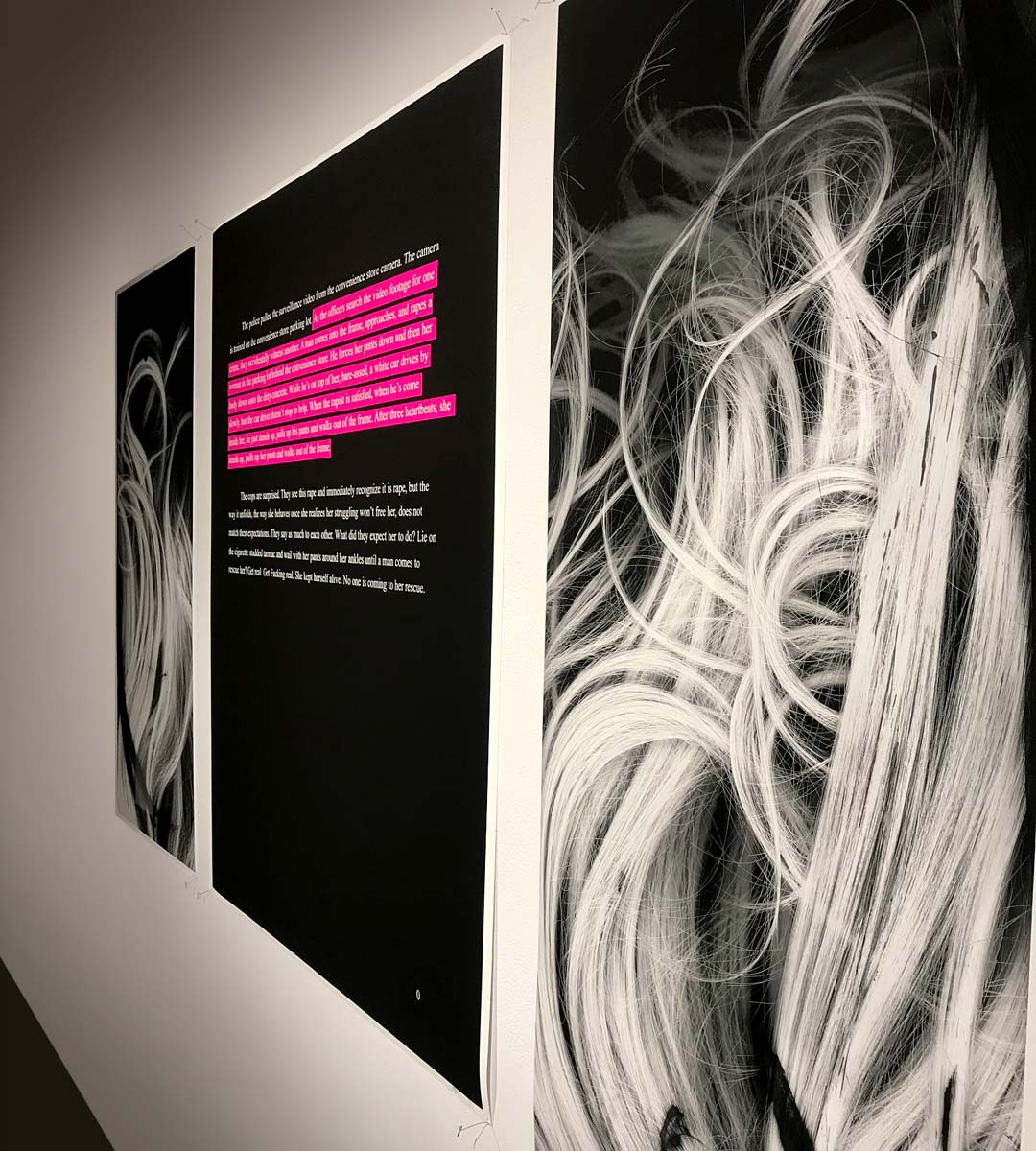
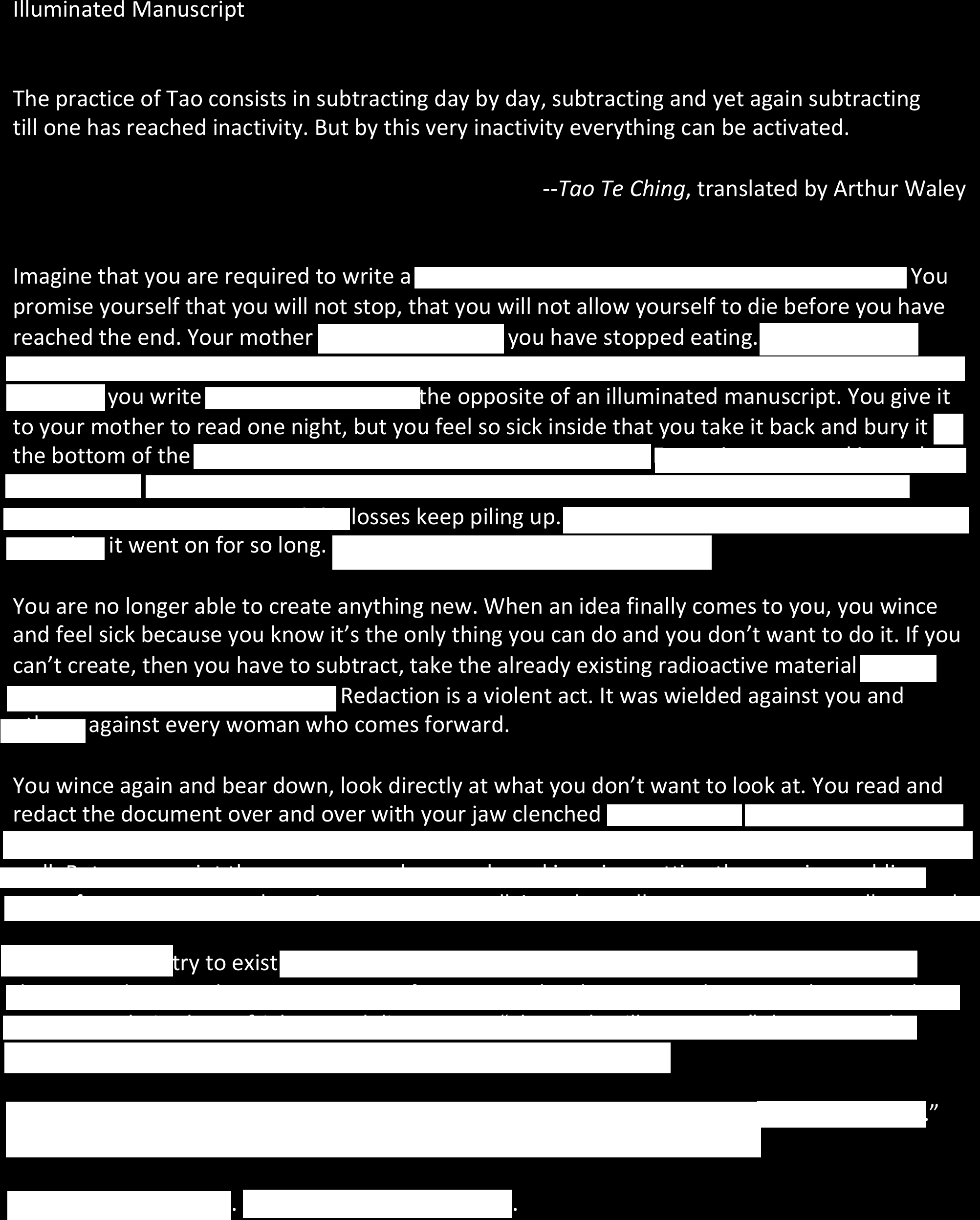
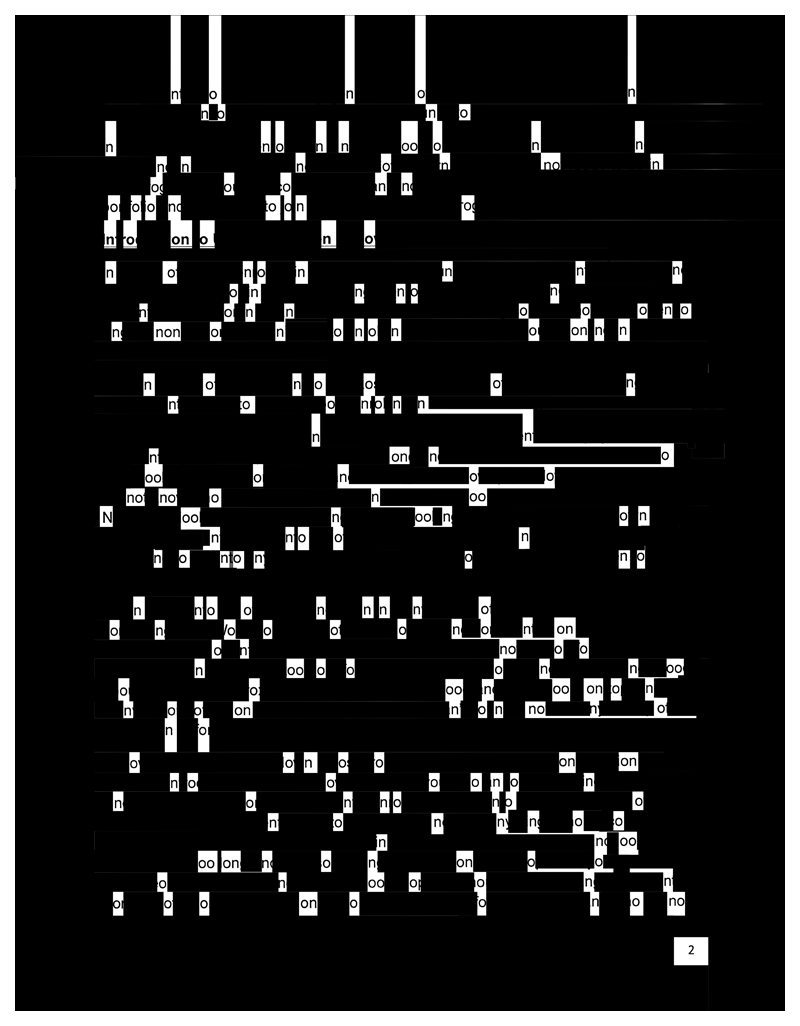
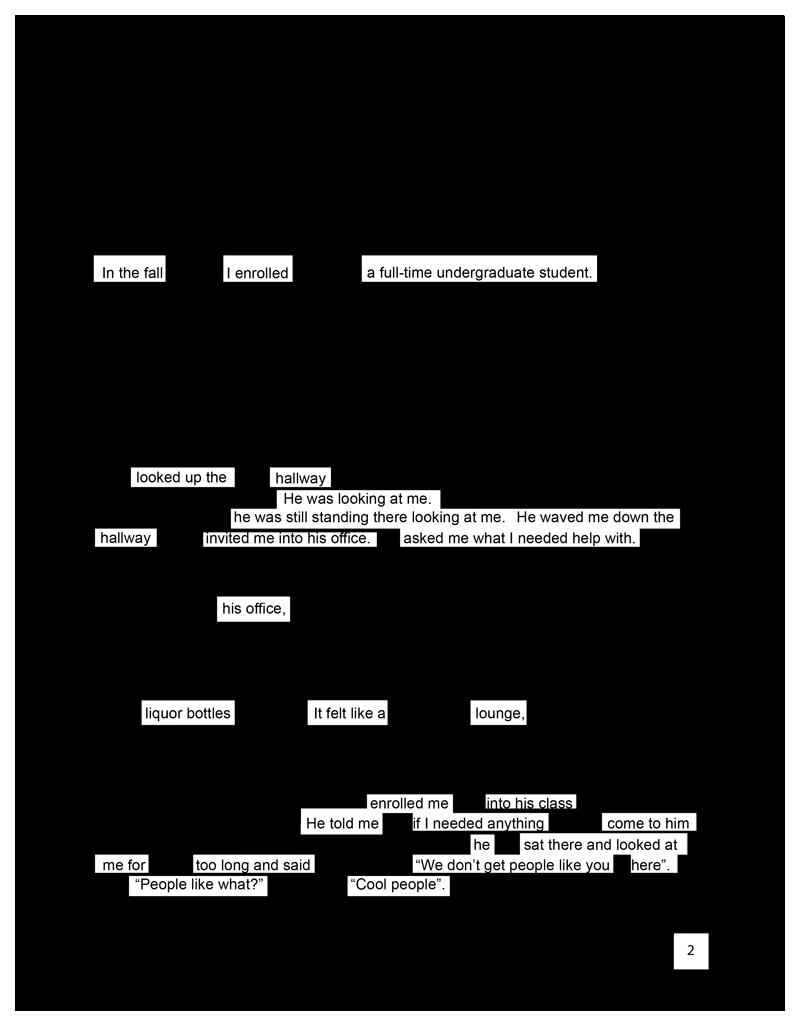
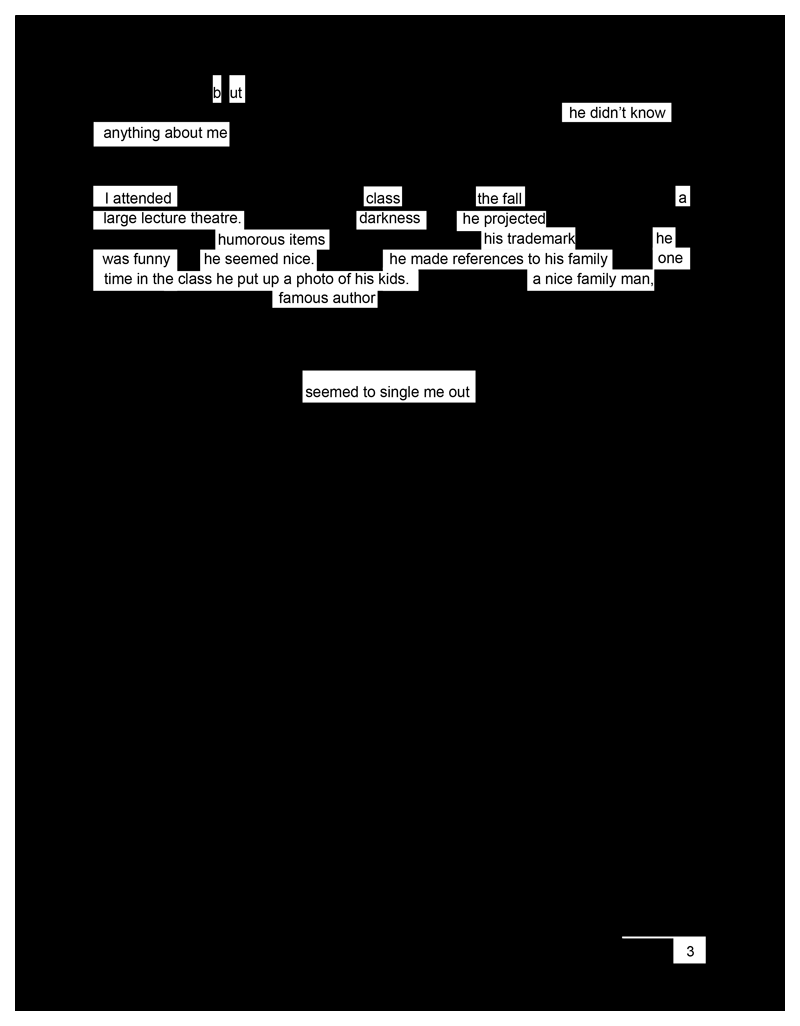
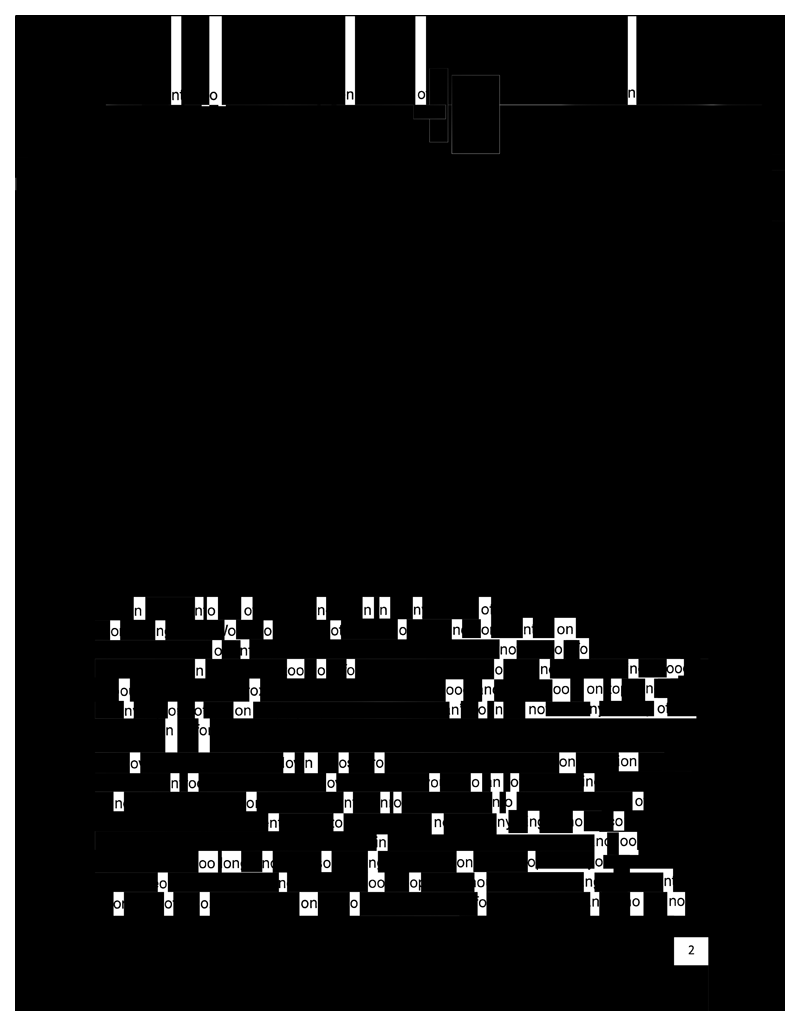
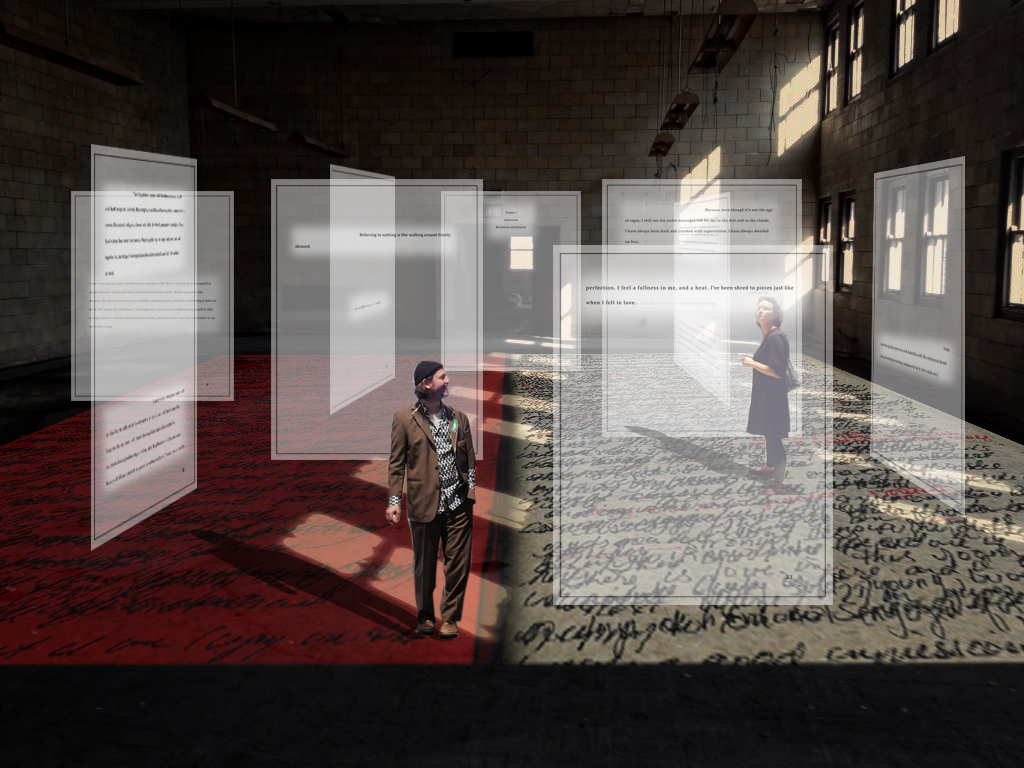
Double sided 43” x 43” mural installation.
Murals splayed from the floor and the ceiling with nooses.
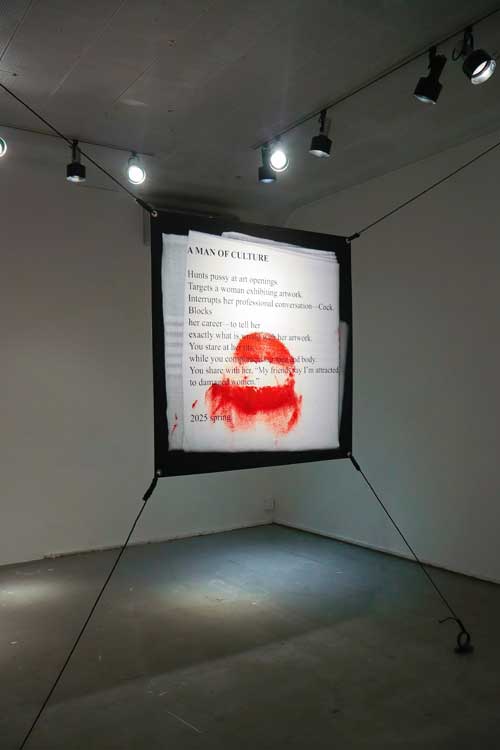
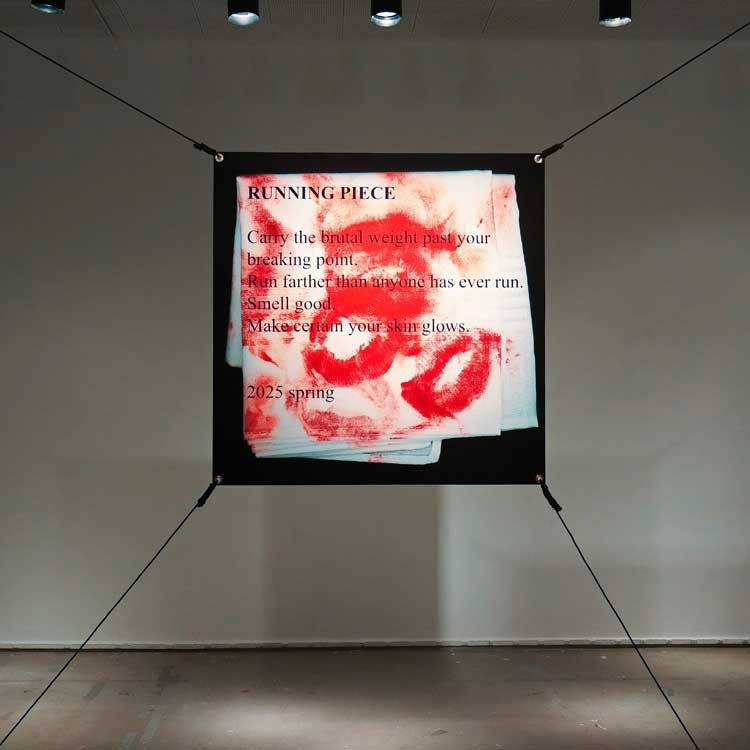
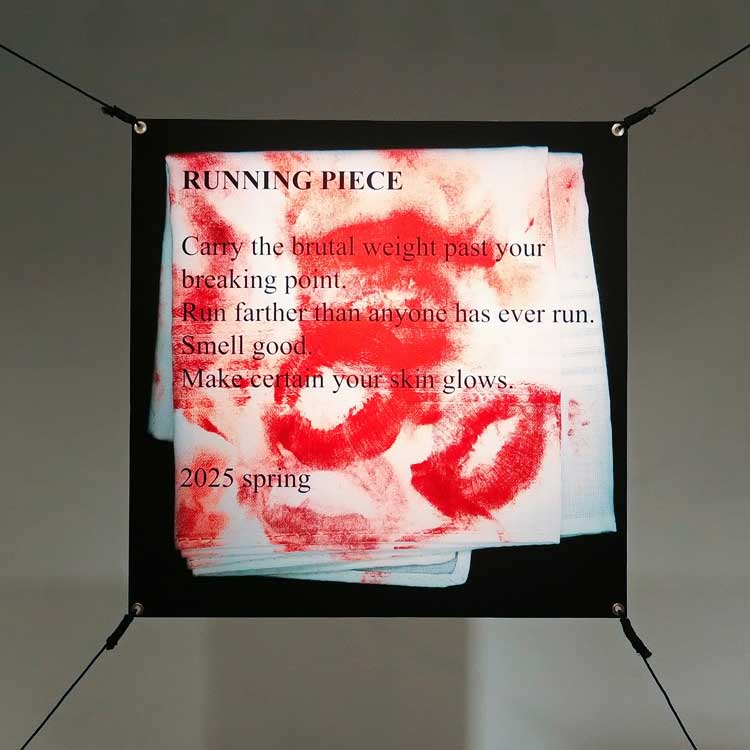
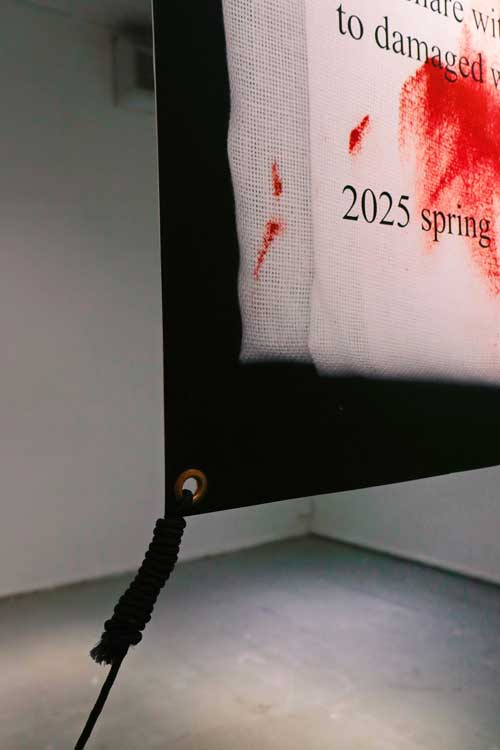
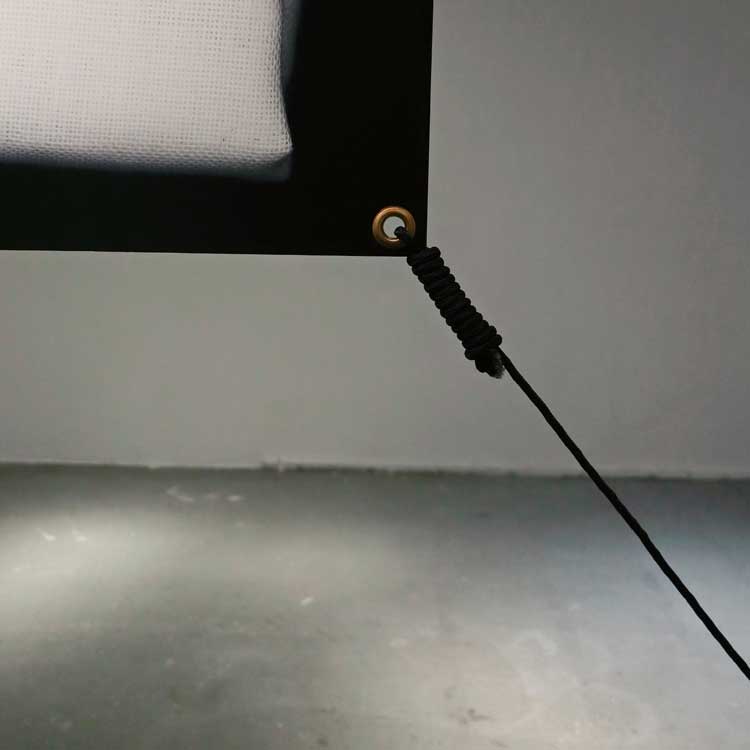
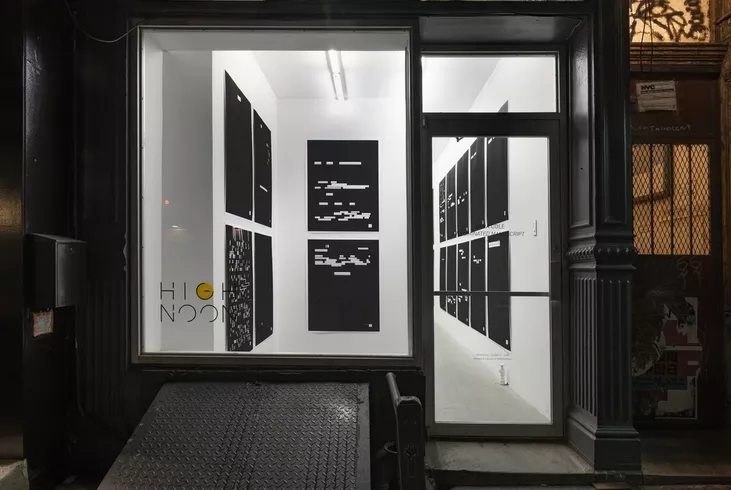
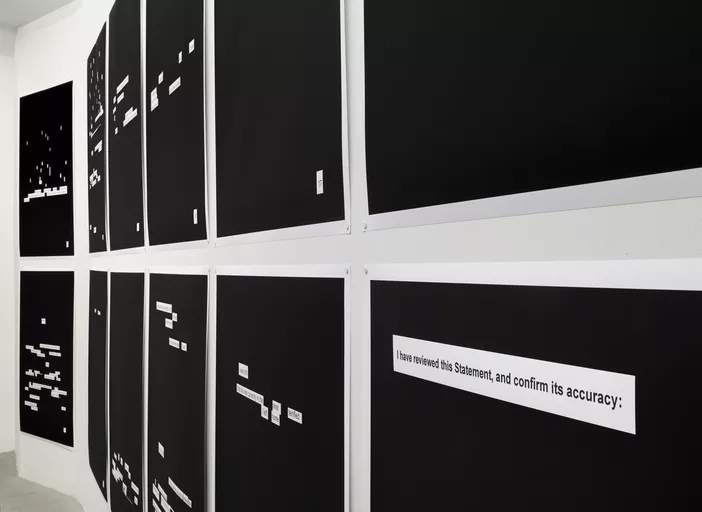
Double sided 43” x 43” mural installation.
Murals splayed from the floor and the ceiling with nooses.
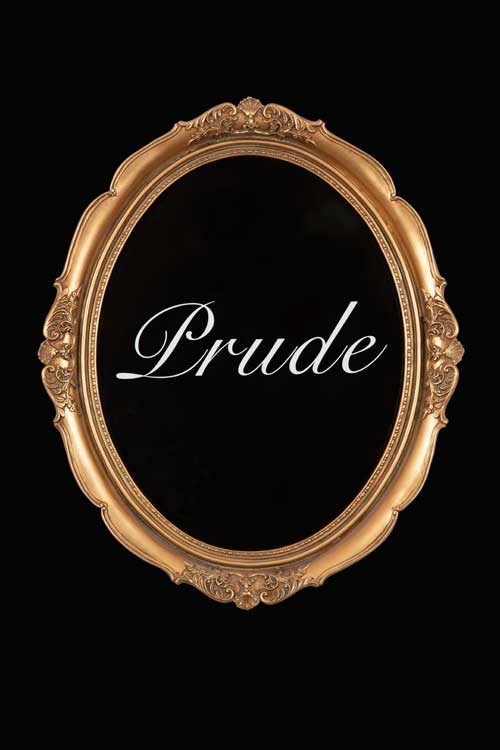
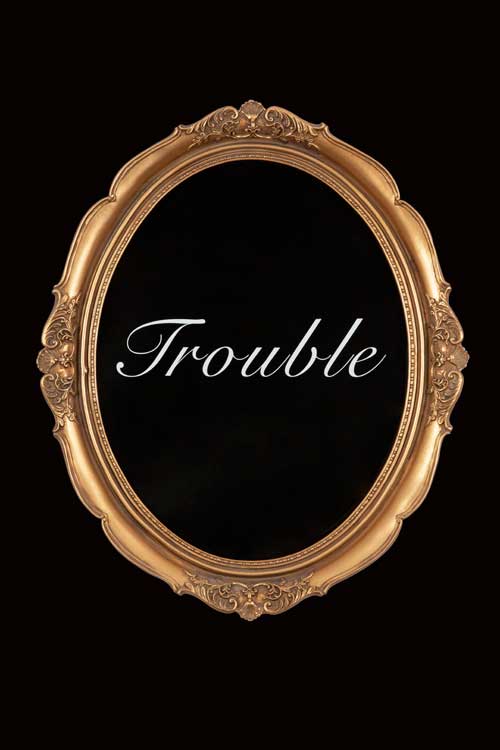
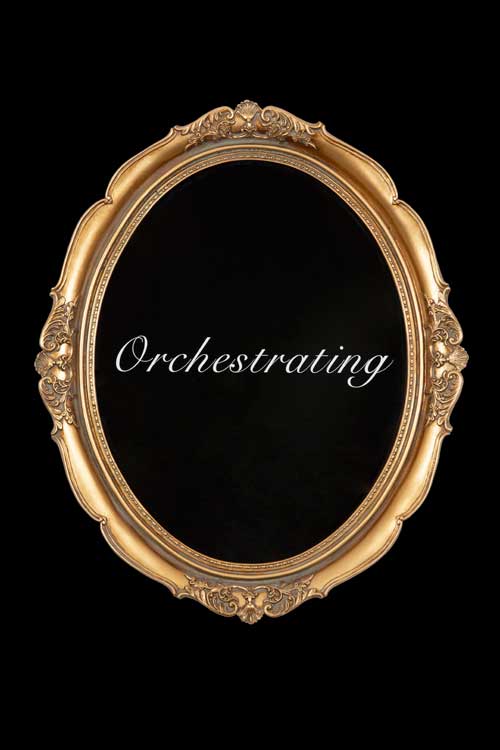
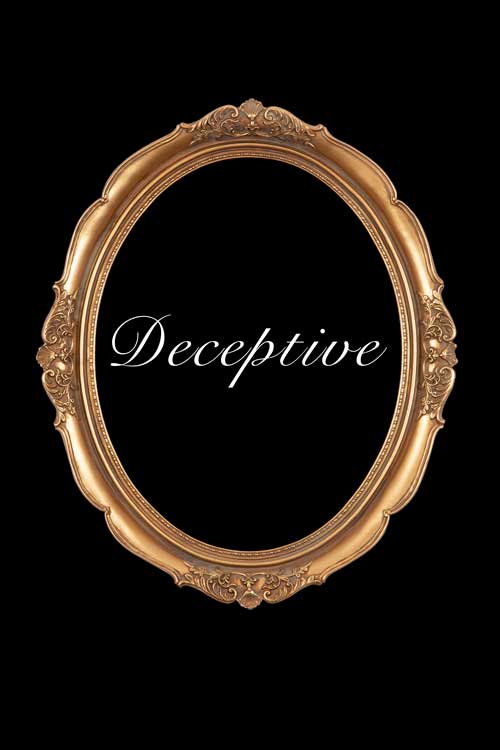
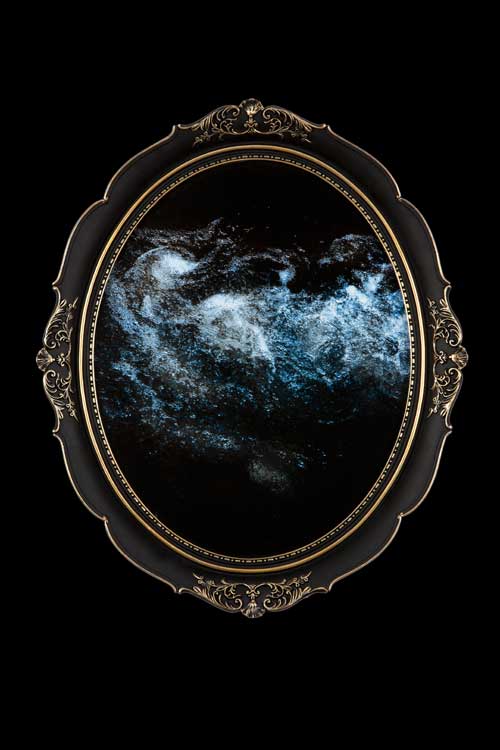
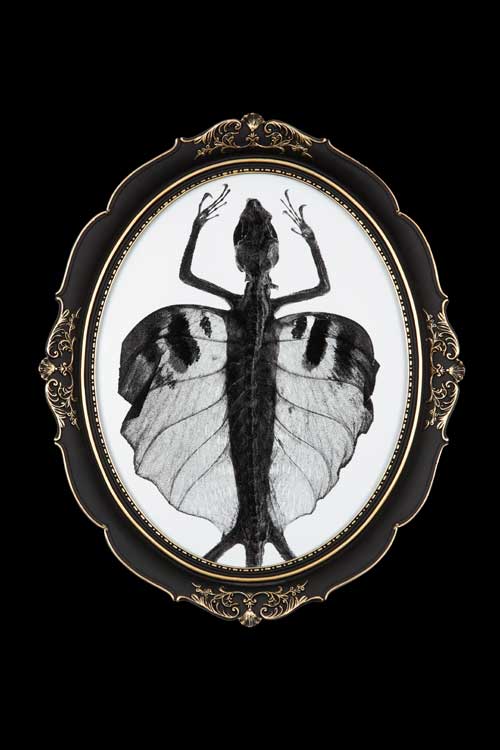
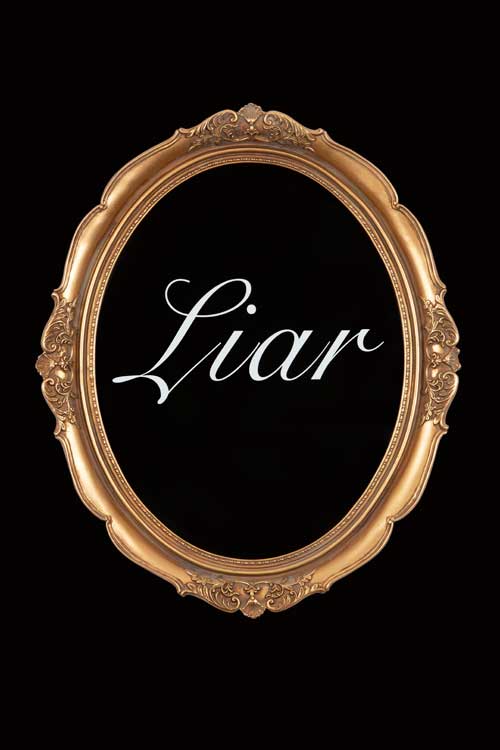
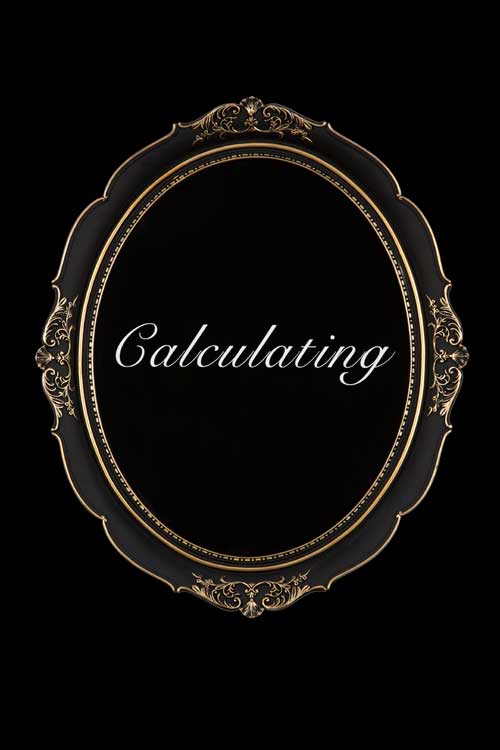
You’ve shored up your defenses, shielding yourself from the words hurled at you in court, in social media, and in the mainstream press. Nevertheless, some pierce the net of your chainmail: young, beautiful, sexy, smart, hot, prude, flirt, oversexed, trouble, damaged, transgressive, hysterical, bitch, suspect, strategic, orchestrating, deceptive, liar, calculating, hostile, vicious, vile.
Those contradictory words are meant to shame and humiliate. You are meant to internalize them, use them against yourself. Dead. That is how they want you to be. Those words pound the message into your mind and body: be dead.
Those words stop you until a woman calls. She was raped. She shares the word that the litigators drilled into her so profoundly that it echoes through her decades: “controlling.” Another raped woman calls. Another courtroom. The word they threw at her was “nasty.” One woman didn’t go to court. She fell silent after her fiancé called her “a dumb cunt” for “getting herself” raped. You know her fiancé. People refer to him as “a nice guy.” There is one word that they call all of you: “liar.”
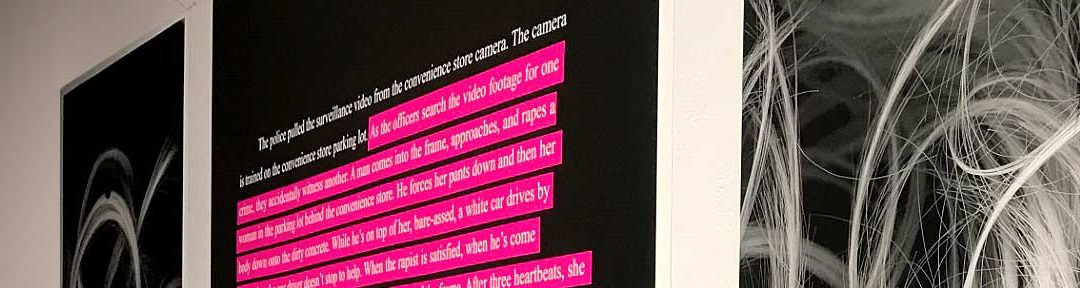
After the violence of their trials, too many raped women wind up dead. You collect their stories.
Because you, too, are at the mercy of a legal system built on the assumption that women are property, you also collect outrageous rulings on recent rape cases.
Australian judge rules rape of aboriginal girl “traditional.”
New Jersey judge rules rape of twelve-year-old not “especially heinous or cruel.”
A man who raped a thirteen-year-old girl is acquitted by a Swedish judge on the grounds that her body was “well developed.”
A Michigan judge awards a man joint legal custody of a child whose mother he raped when she was twelve.
Man cleared in the rape of seventeen-year-old girl because Mexico judge rules that he didn’t enjoy it.
London Judge accused a raped sixteen-year-old girl of grooming her teacher for sex. The judge said, “If anything, it was she who groomed you. You gave way to temptation at a time when you were vulnerable because of problems with your wife’s pregnancy.”
You pry each sharpened word out of your body. You are going to make them yours. You get out of bed. You put your fears in the back of the linen closet.
You refuse to be dead.
We refuse to be dead.








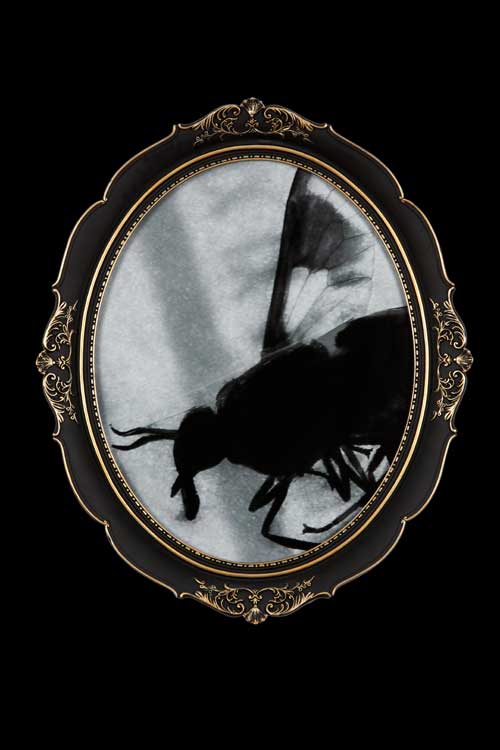

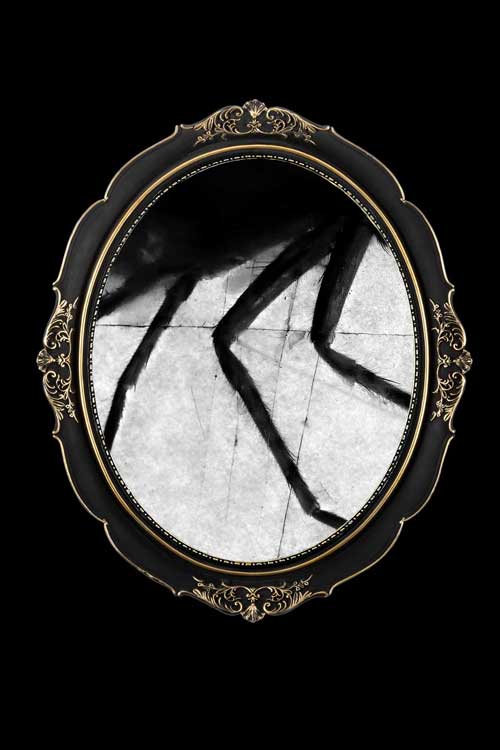

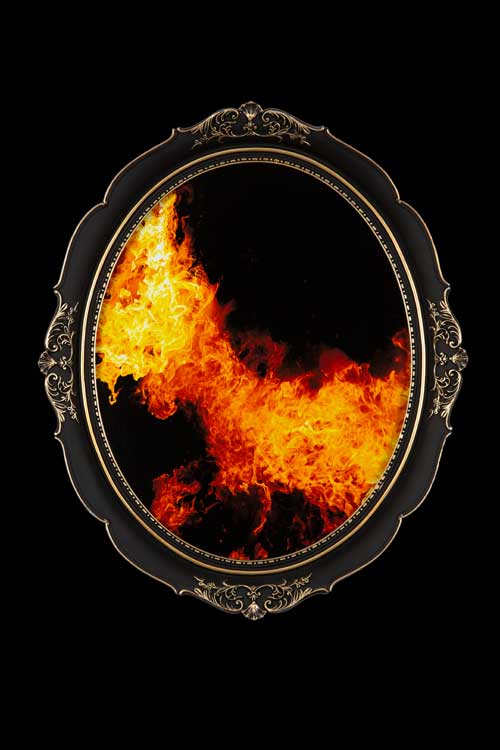


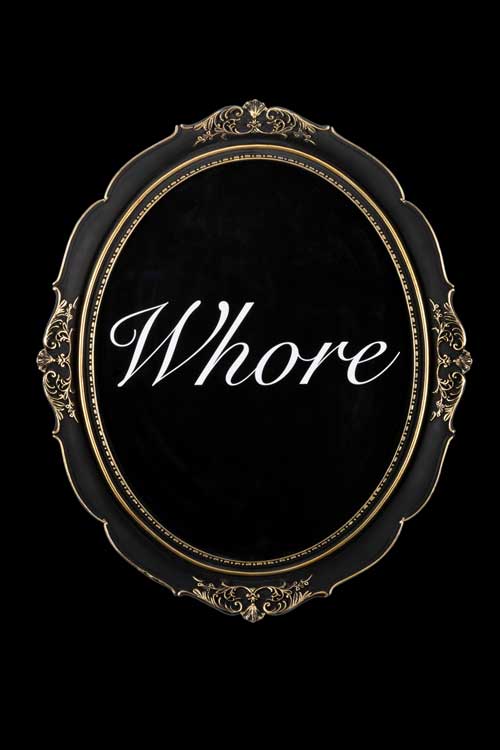
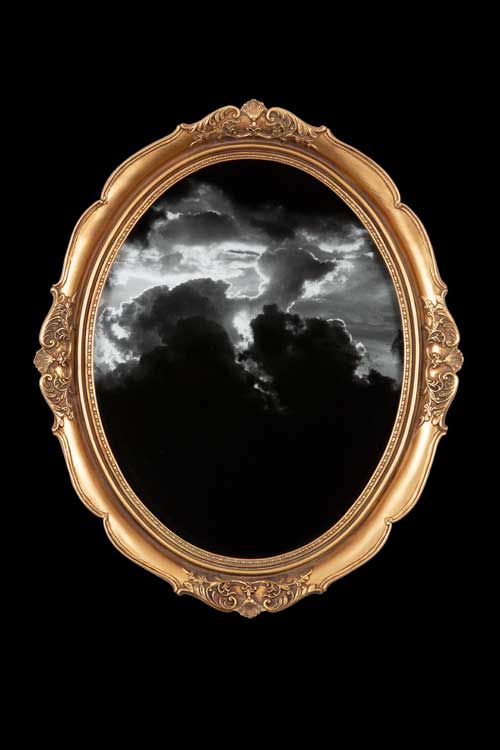
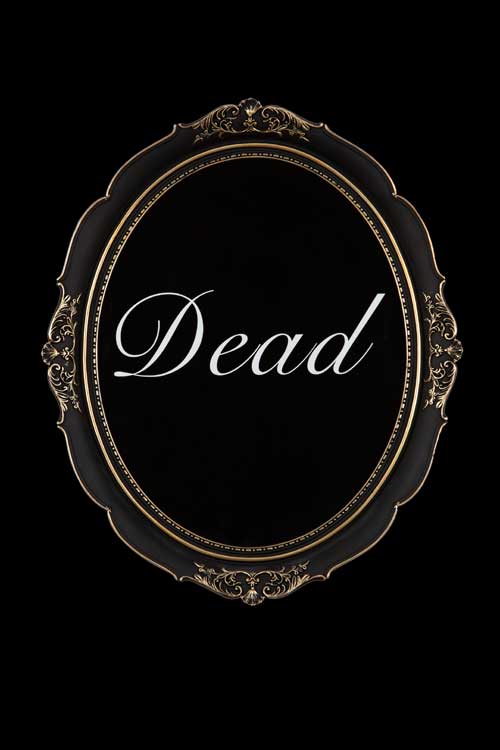
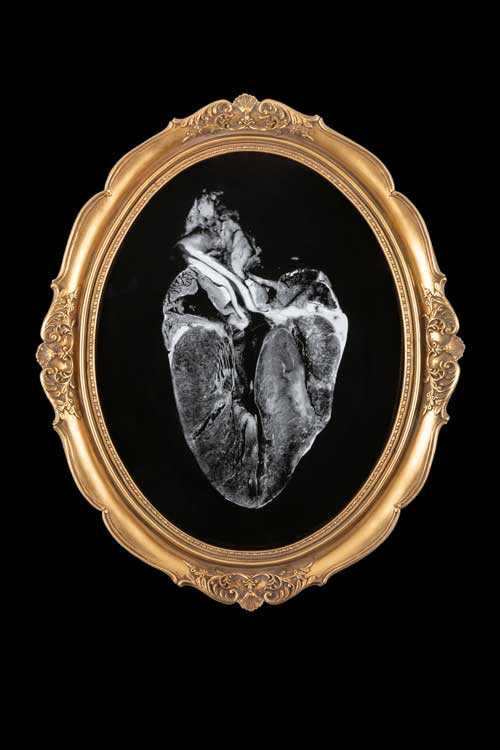


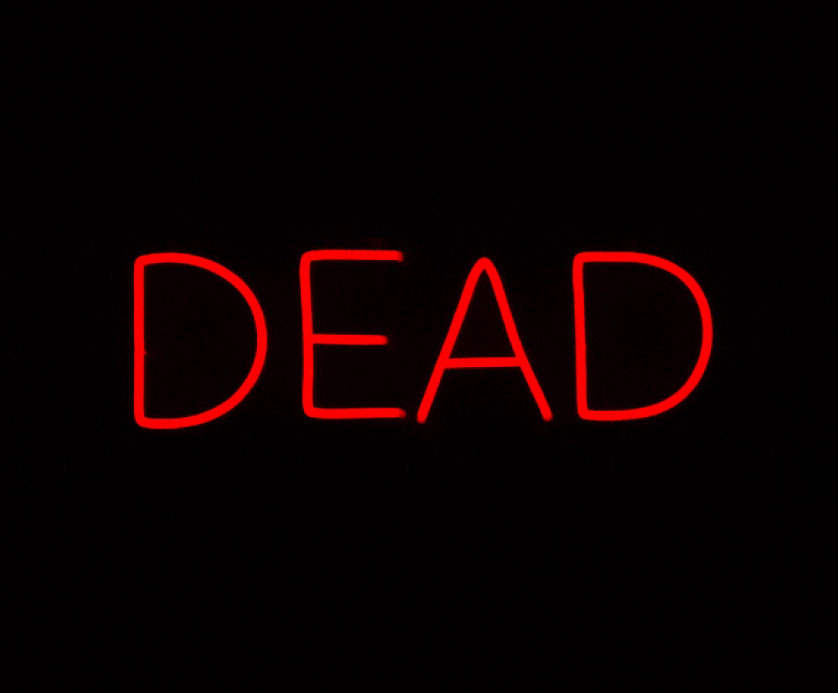
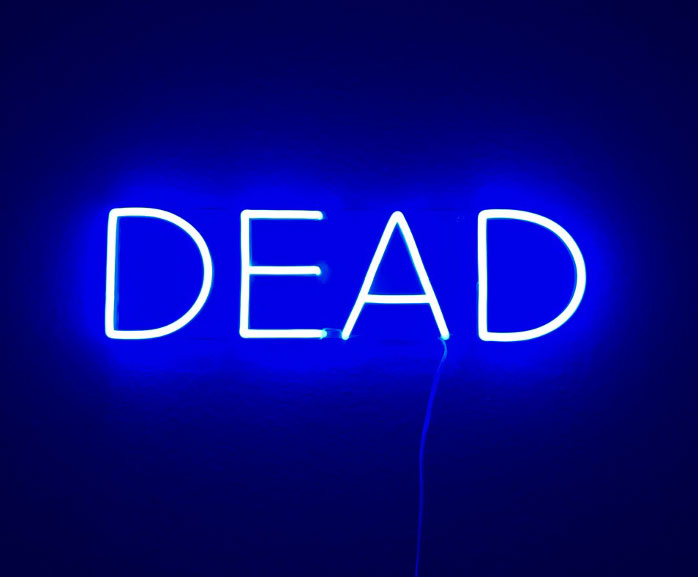
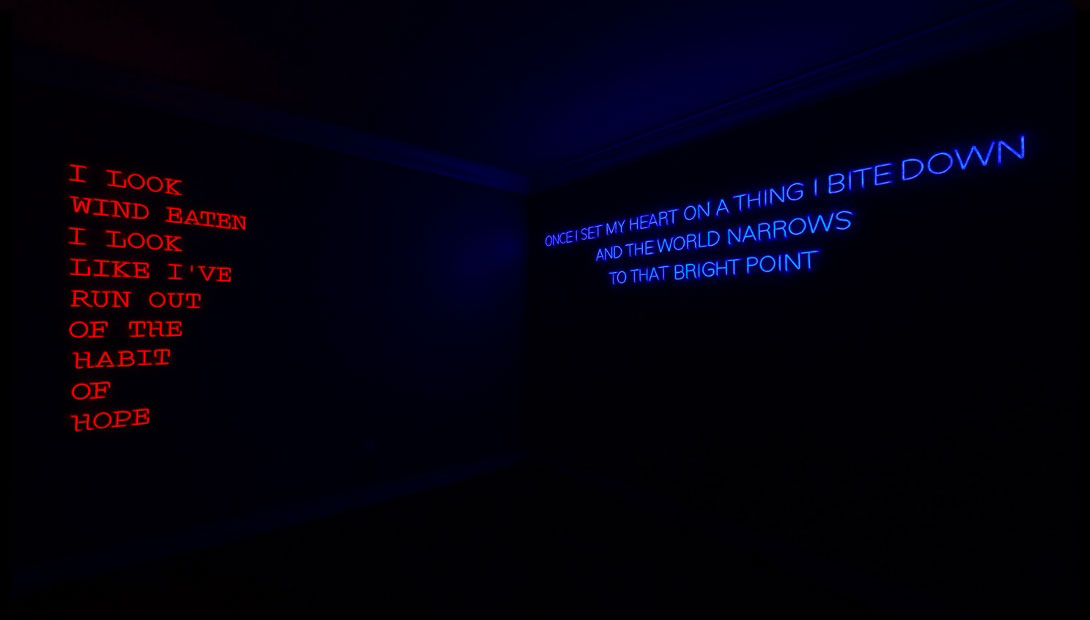
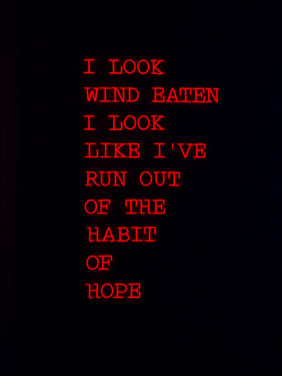
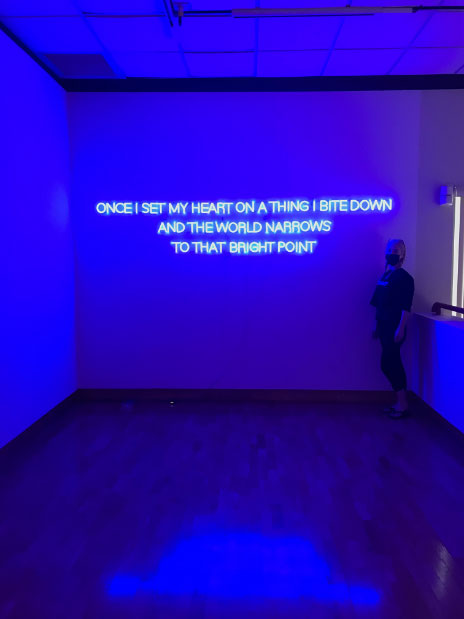
As an artist, I love to explore new media. Neon is new territory that I have begun playing with. Ultimately, I chose LED over neon, as it is a flexible material that is impossible to shatter. I first tested a single word DEAD in the color red. The power or this word for me is twofold. One, I was struggling to stay alive under the weight of harm. Two, having this word glowing in my home (and in the gallery) is a daily reminder, in the Buddhist sense, that eventually we will all be dead. Life is precious and fleeting. I find this daily visual reminder powerful, crucial and grounding.
What am I going to do that is useful to others with this brief time allotted to me?
What are you going to do with this brief time allotted to you?











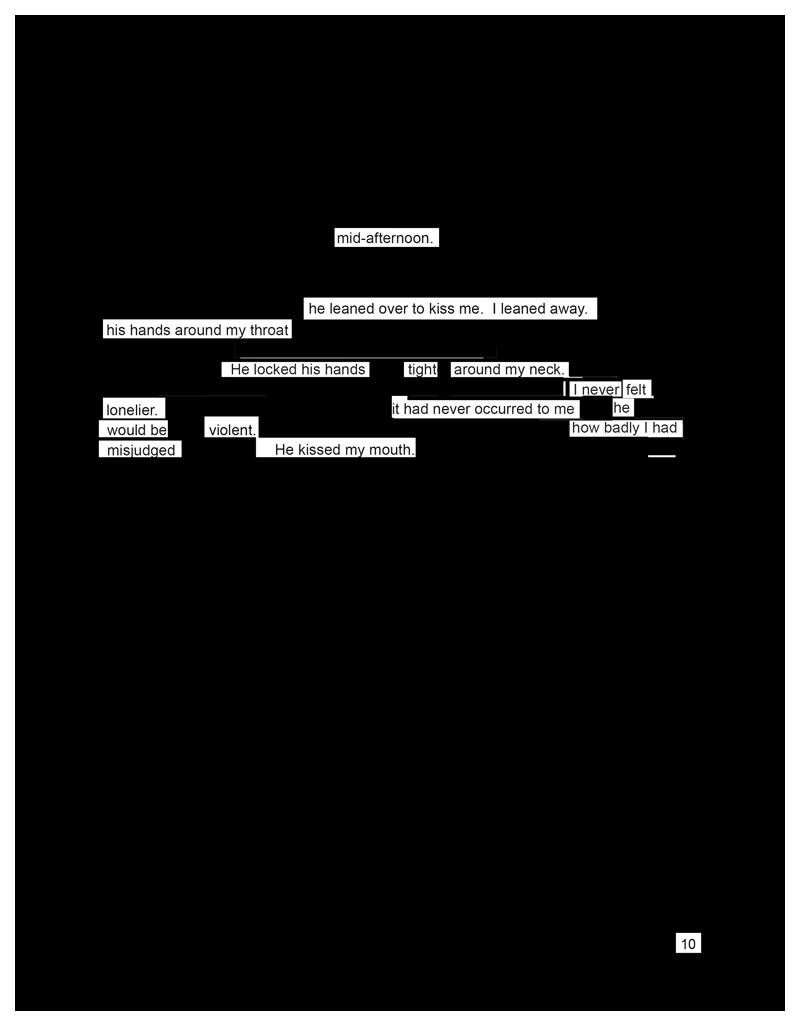

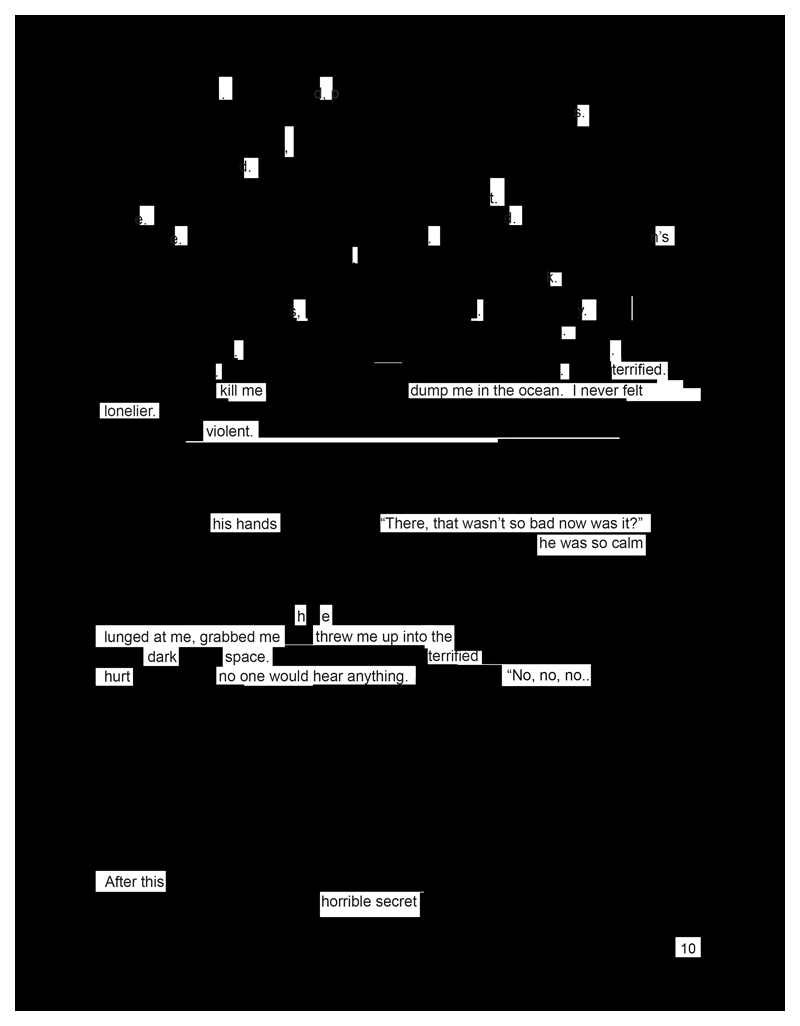



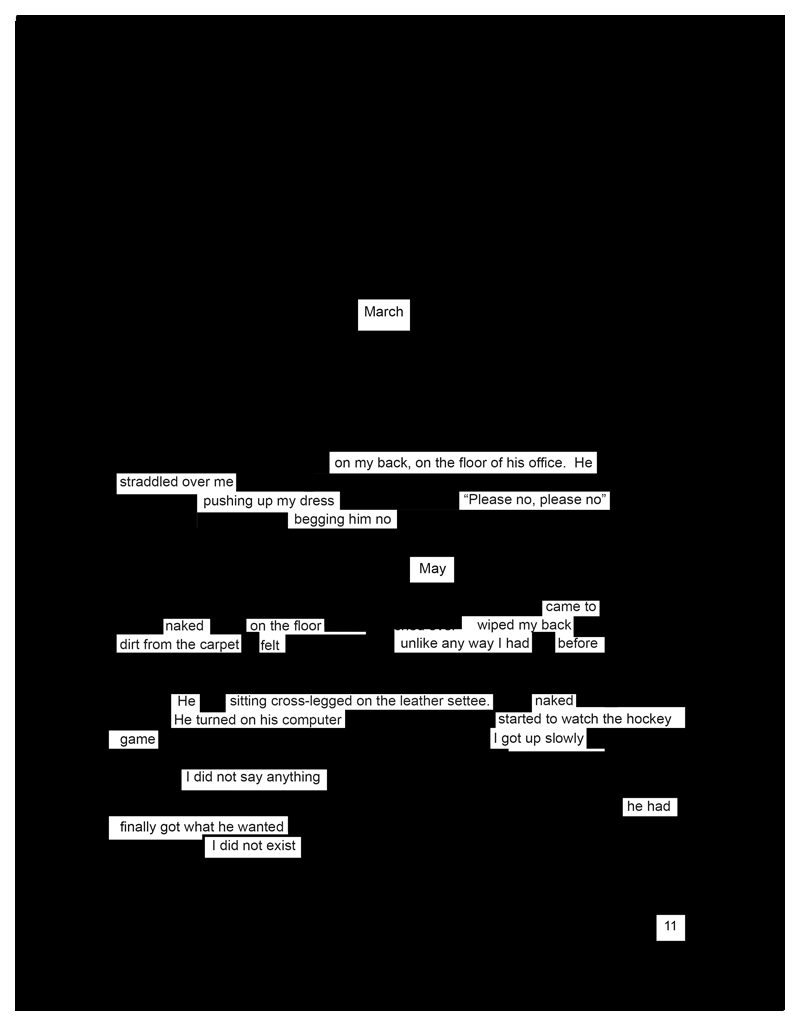


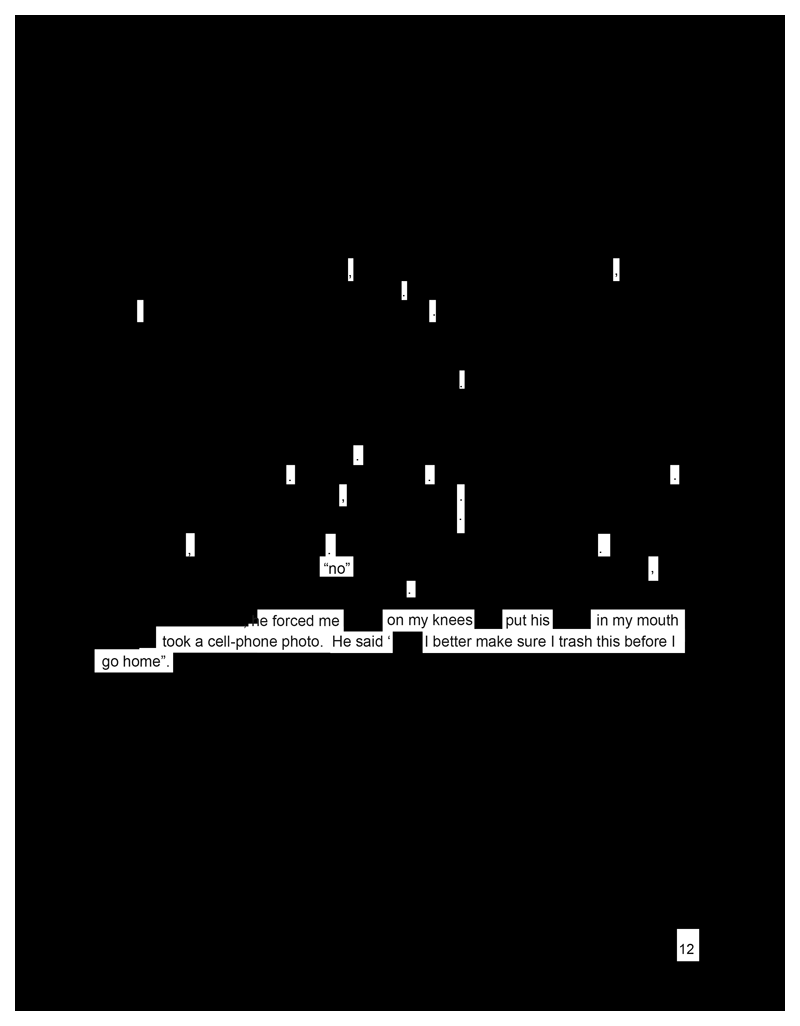





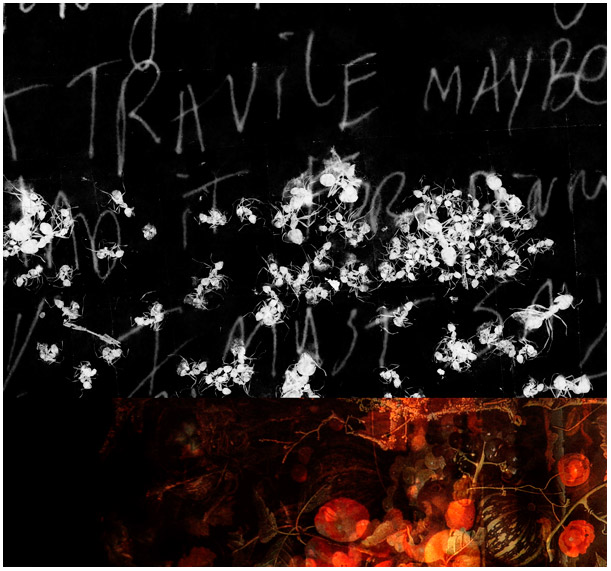
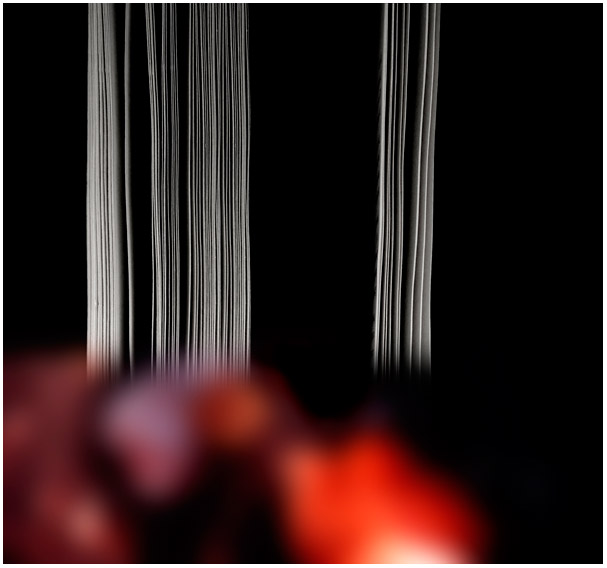
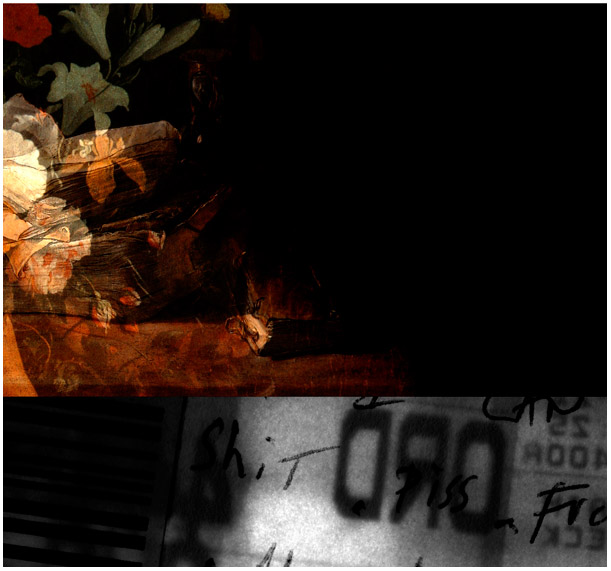


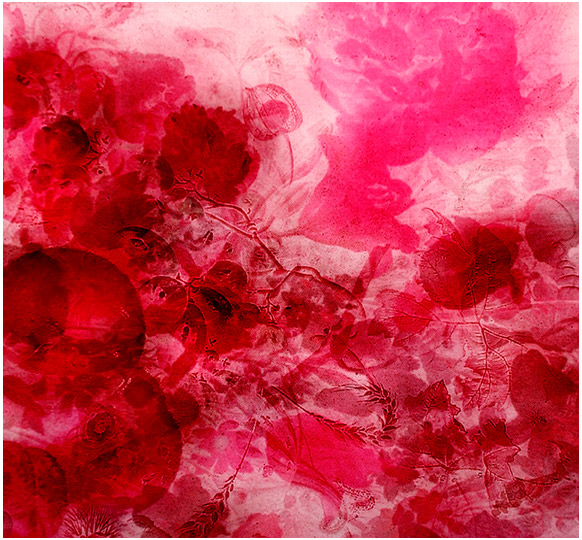

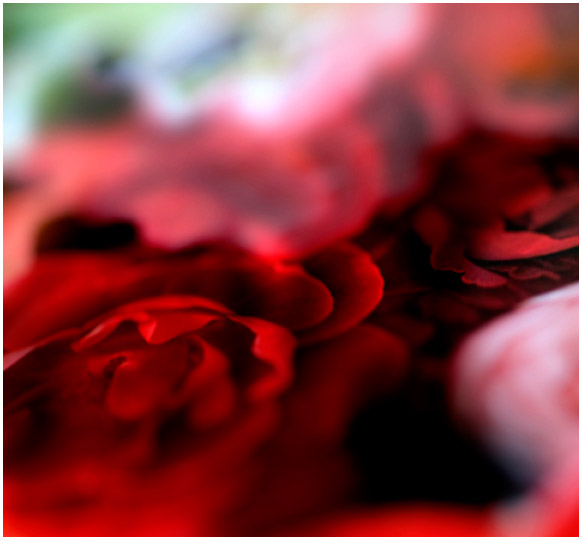













He felt himself grasped by his long lapels, pulled forward and pushed back, as a creature with a hundred mouths started sucking the marrow from his bones. She said nothing as she came on like a starved animal, and he wouldn’t have known who it was if it hadn’t been for the taste of her watermelon gum, which after the first few torrid kisses he felt himself chewing. Even though that lightning attack lasted only three minutes it left it’s mark on him. He spoke of it as one might of a religious experience, a visitation or vision, any rupture into this life from beyond that cannot be described in words.
–Jeffrey Eugenides, The Virgin Suicides
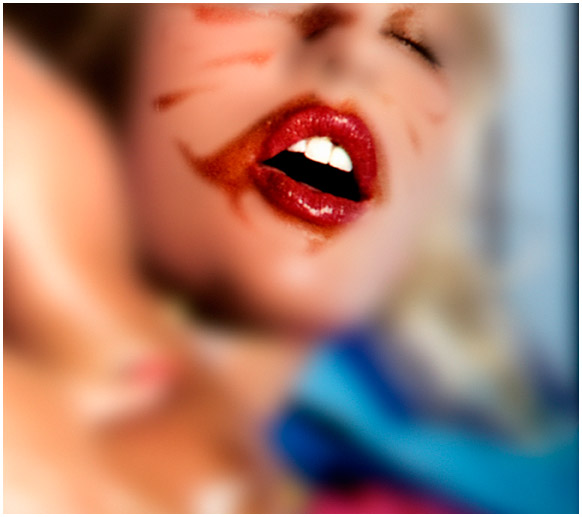
Lurid began as a conversation. In the summer of 2007, as my boyfriend and I sweltered in the Southern Californian landscape, as we discussed art, and life and politics, he said something like this: “I’d like to see what kind of images you would make about sex.” I was intrigued by his suggestion. It had never occurred to me to create work about sex; I created work about Death. Both the challenge and the symmetry appealed. So, as the sun beat down, and forest fires blazed up; as coyotes appeared like apparitions in the backyard, and ash settled over the landscape; as citrus trees sagged, and snapped, under the impossible weight of galaxies of bursting fruit; against this apocalyptic backdrop; I began to photograph sex, or as it turns out, Desire.
I know a little about sex and desire because, well, I’m human. And because for four blissful years I lived in Las Vegas: where lavish, sensual indulgence, and intoxicating, lurid, sensual excess reigns supreme. As I began to make images, I drew from this past. I also looked at pornography, and fashion, and film. The first image that I made that I was happy with was an image of a mouth: red lips, swollen and soft, gently parted in surrender to desire. I developed a kind of crush on this image. And like a teenager playing her favorite song over and over, I began to make image after image of gloriously gauzy sirens, heads thrown back in a delirium of desire.
I love the fact that sexual and religious transportment echo each other. How Ecstasy, that elevated sensation of bliss, is simultaneously carnal and spiritual. Bernini’s The Ecstasy of St. Teresa (her head is thrown back, face upturned towards the heavens, lips parted, eyes softly closed–so similar to my own carnal angels) is based on the swooning nuns own writing: “I saw in his hand a long spear of gold…He appeared to me to be thrusting it at times into my heart, and to pierce my very entrails; when he drew it out, he seemed to draw them out also, and to leave me all on fire with a great love of God. The pain was so great, that it made me moan; and yet so surpassing was the sweetness of this excessive pain, that I could not wish to be rid of it.”
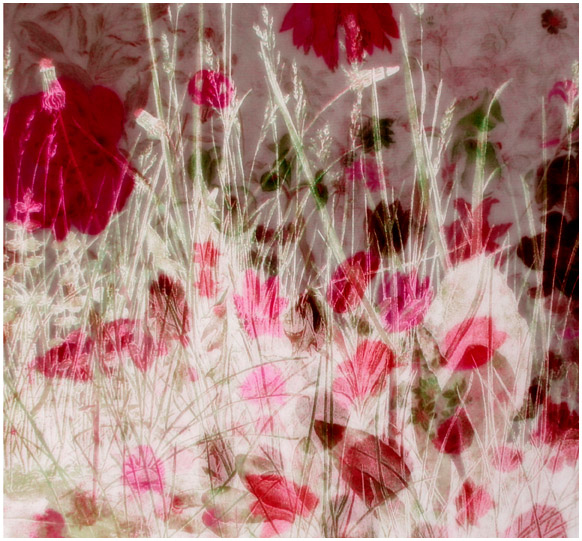
Of course many of my Venuses are distinctly modern (perhaps a little trashy) more like Lux Lisbon or Lolita, Marilyn Monroe or Jenna Jamieson than St. Theresa. This has everything to do with the lush and lurid colours; the hot pinks, the electric purples, the glittering golds, and the verdant greens–these sirens are rendered in. Colour, trivial, dangerous, vulgar, superficial, is always feminine. Finally, a sudden rush of colour is a drift into a dream state, a drugged state; a descent (or ascent) into a world of desire.
In reality, the experience of creating this work was far more complex and layered. I experienced tremendous tension, helplessness, and a slow-burning rage––trapped–– as I made these images. Searching for beauty in pornography of women’s splayed bodies, images created by men to satisfy male desire, and seeing the same vapid, one-dimensional creature over and over, took a toll on me. This repetitive porno version of the manic pixie dream girl — a type of female character in film depicted as vivacious and appealingly quirky — whose only purpose within the narrative is to inspire a greater appreciation for life in the male protagonist. She exists for no other reason but to push the narrative forward.
As I created this body of work, I reflected on the history of ‘Heroic Rapes’ in the ‘high arts’. The supposedly uncomplicated beauty of these images was drilled into me in every art class I took from age fourteen on. I was photographing close-ups of these heroic rapes simultaneously with photographing details of the pornographic faces that form the bedrock of this body of work. ‘The Rape of Persephone’ by Lorenzo Bernini; Sandro Botticelli’s “La Primavera”; Rembrandt’s Susanna and the Elders: These are three pieces by white European male artists, who eroticize the rape of white women for the consumption of wealthy male patrons. Clichés of women more closely connected to nature abound. Women turn into trees to avoid rape. In the Botticelli painting, plants probe inside her mouth, invading her and silencing her. From Shakespeare’s Ophelia to David Lynch’s Laura Palmer, modern male artists in every medium fill scenes and frames with the bodies of beautiful, dead, white girls. Please note which harmed women’s bodies aren’t even pictured at all.





Because we don’t know when we will die we get to think of life as an inexhaustible well. Yet everything happens only a certain number of times and a very small number really. How many more times will you remember a certain afternoon of your childhood? Some afternoon that’s so deeply a part of your being that you can’t even conceive of your life without it. Perhaps four or five times more. Perhaps not even that. How many times will you watch the full moon rise? Perhaps twenty. And yet it all seems limitless.
––Paul Bowles, The Sheltering Sky
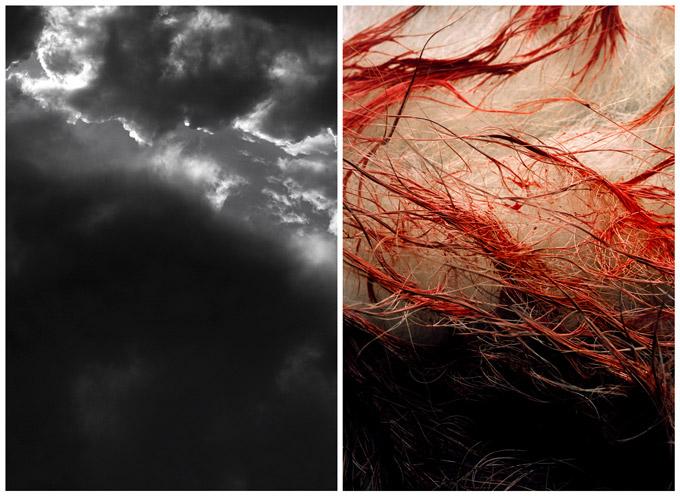
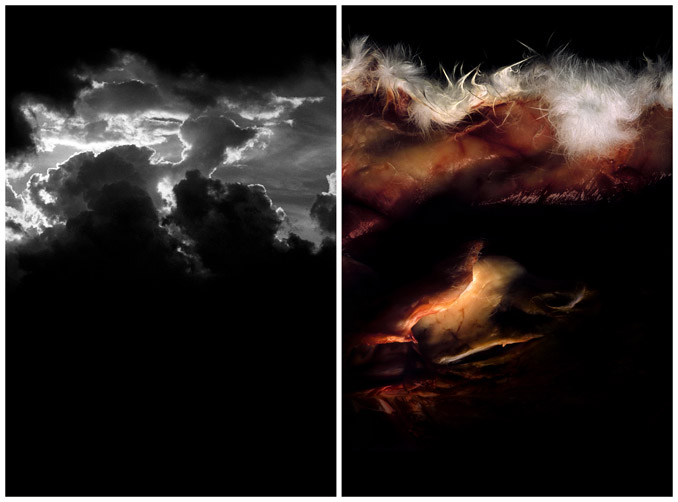
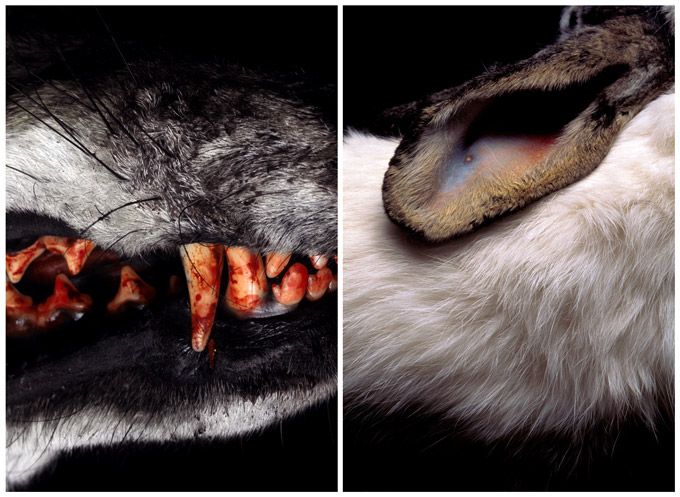
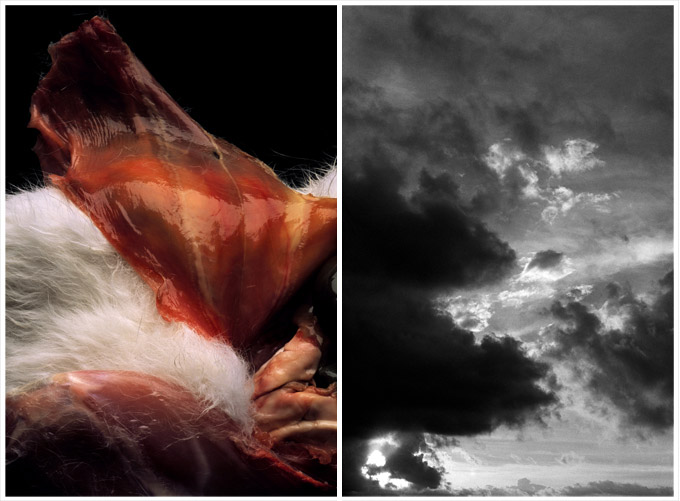
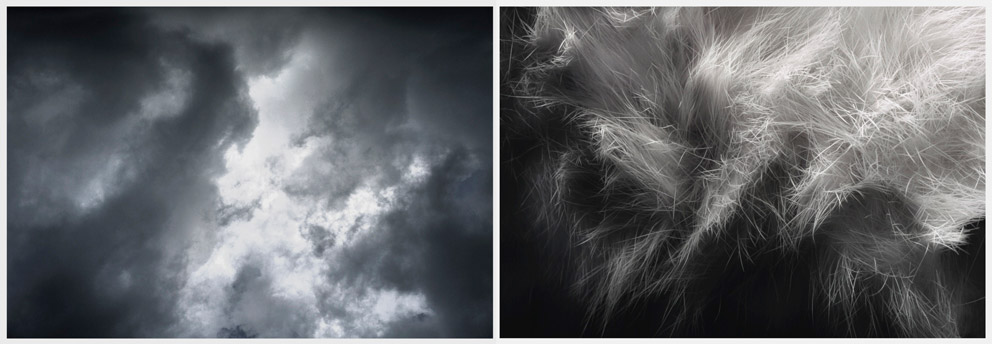
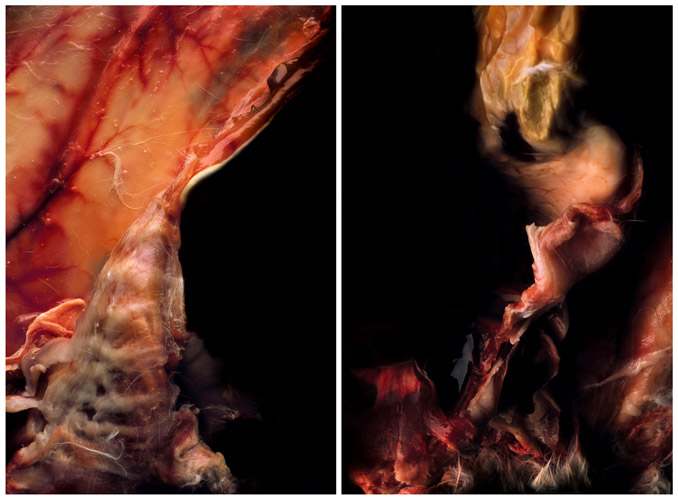
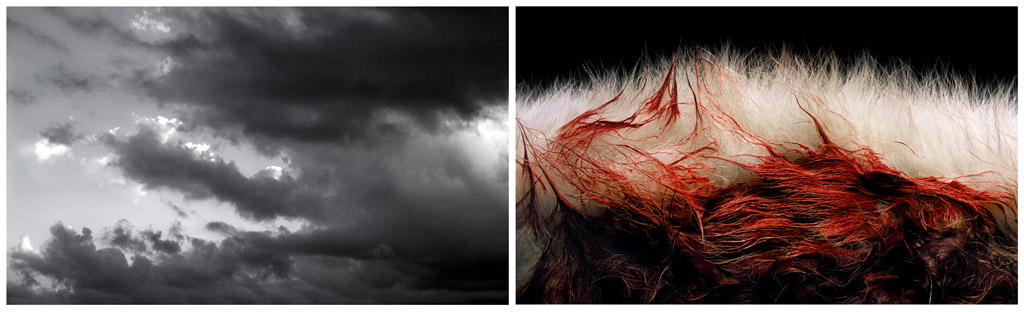
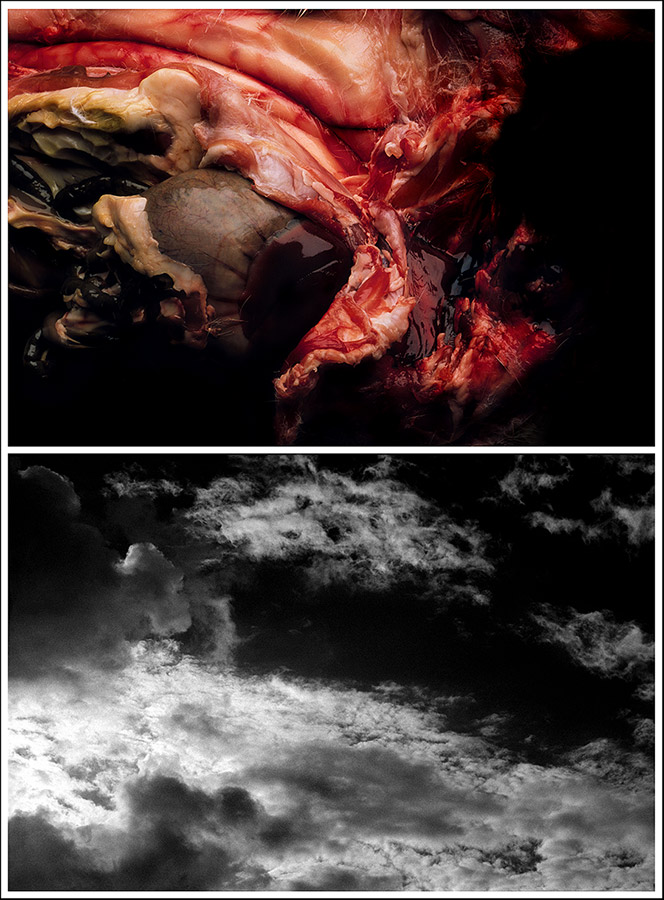
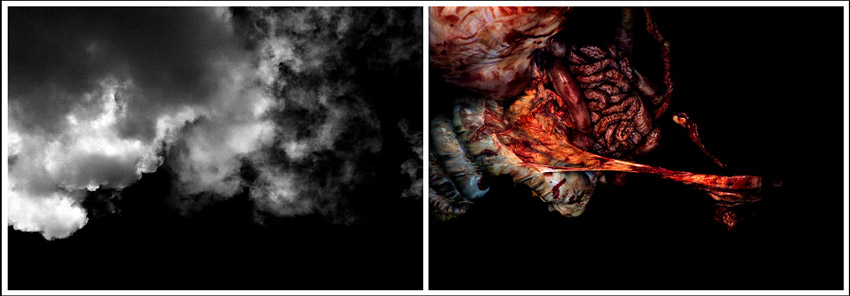
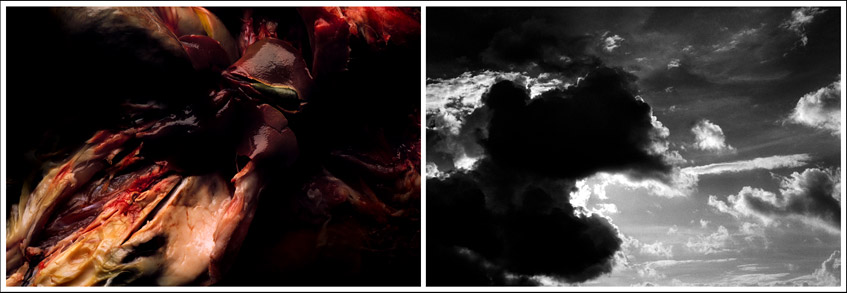
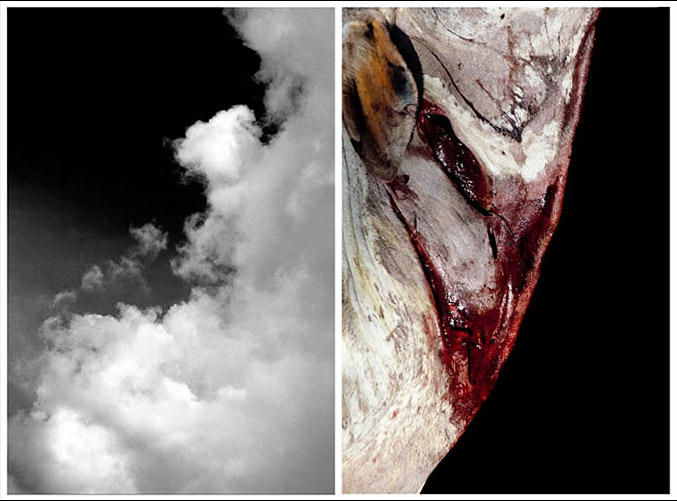
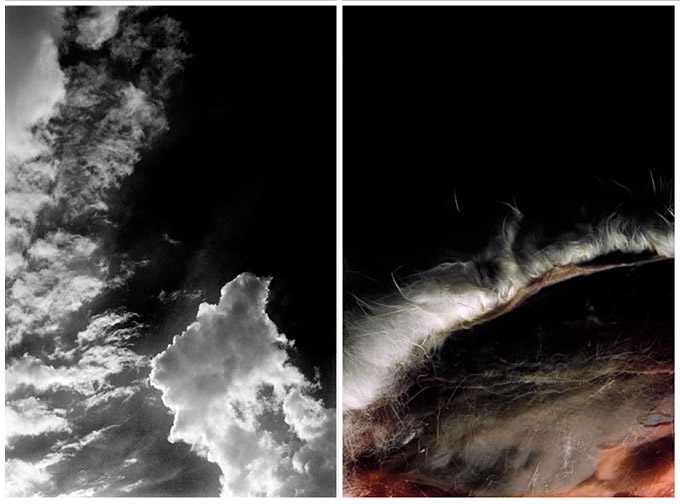
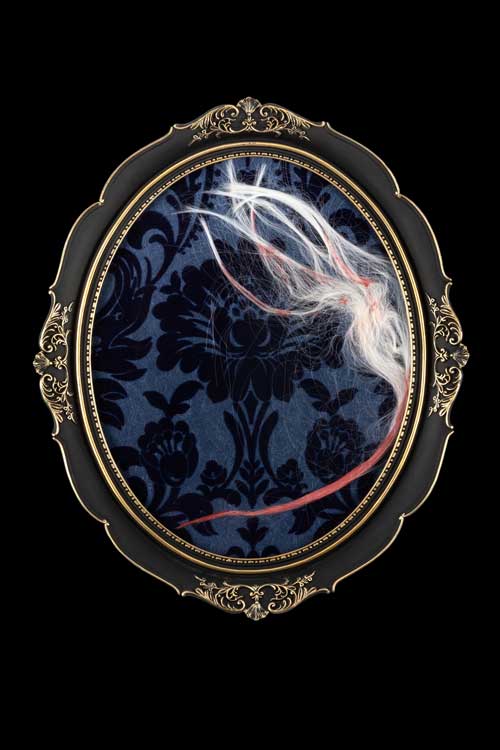
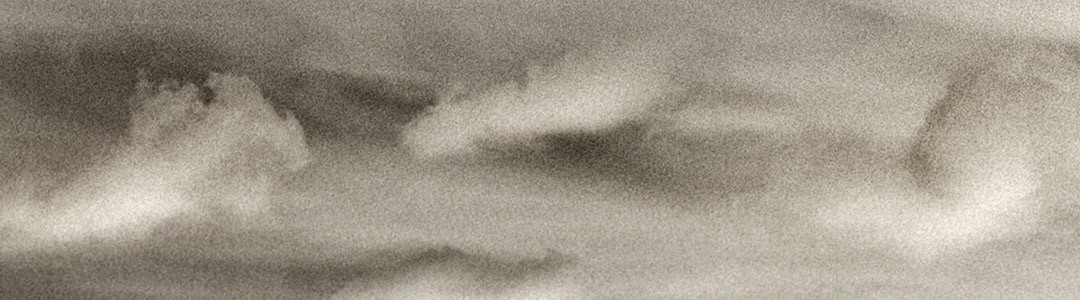
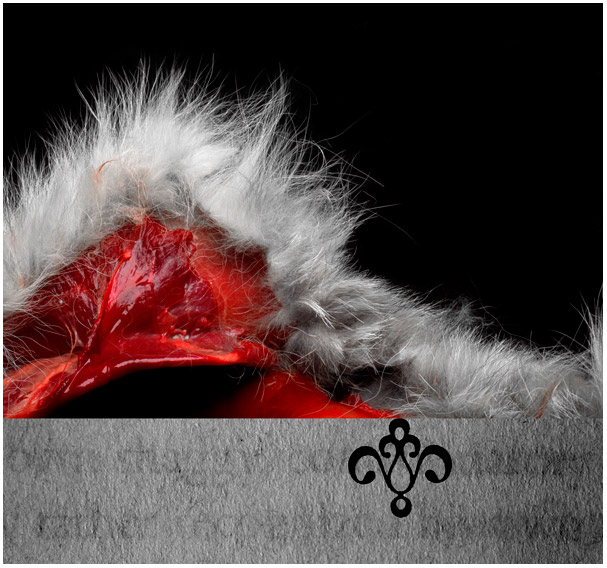
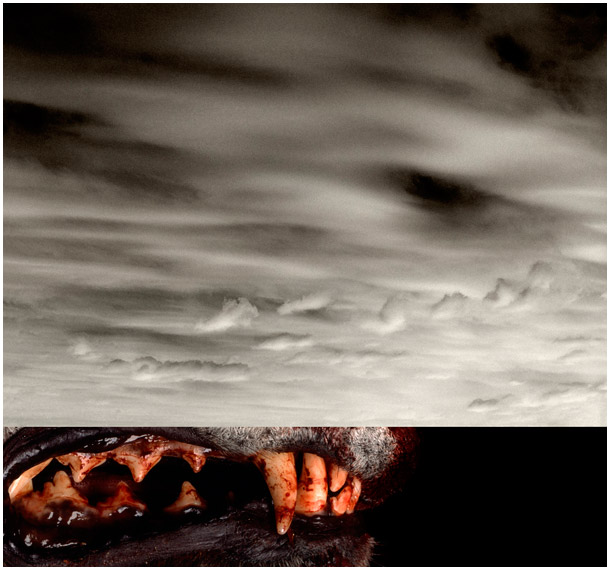
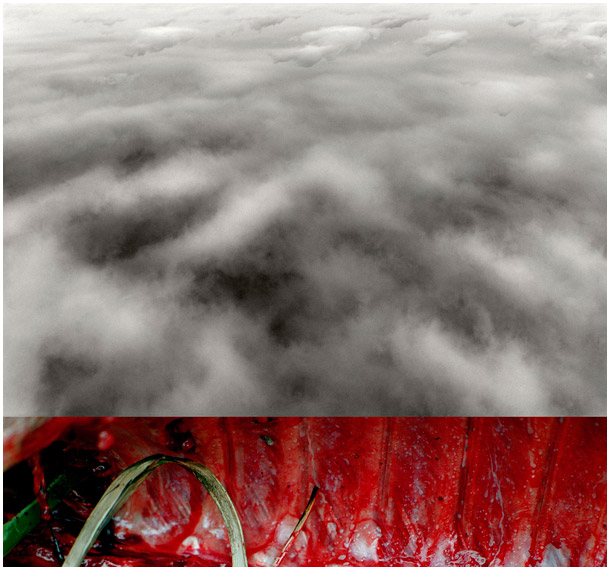
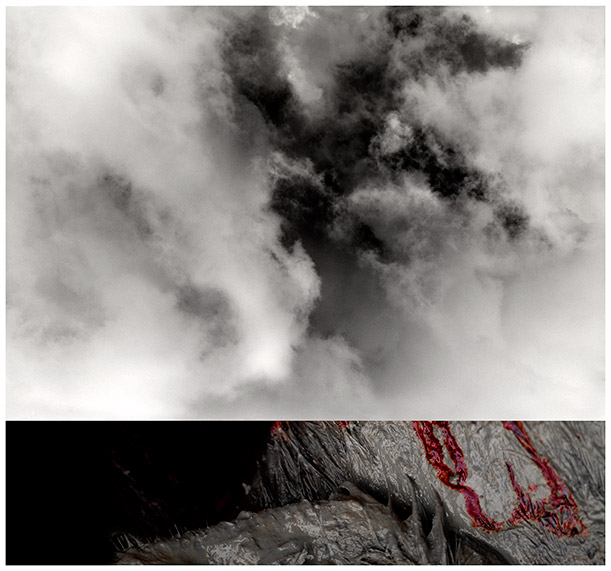
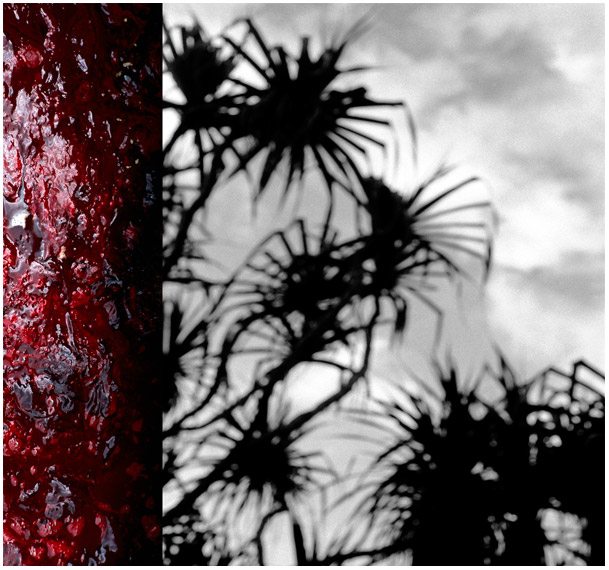
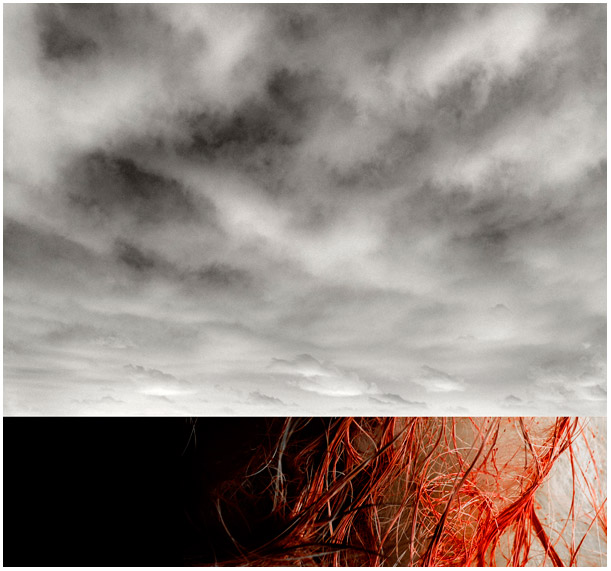
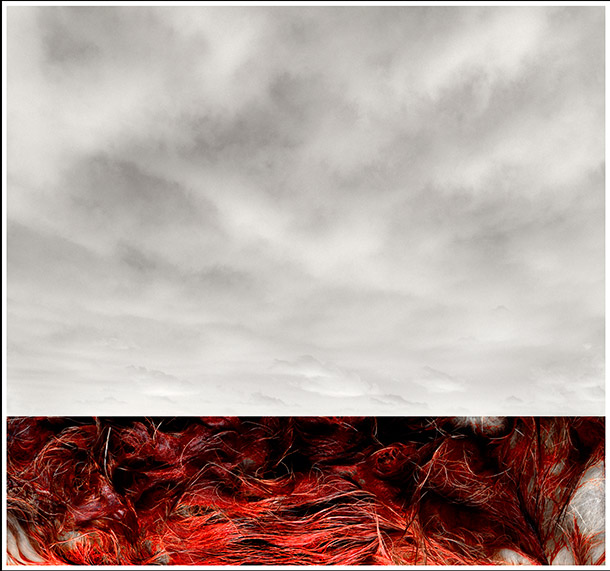
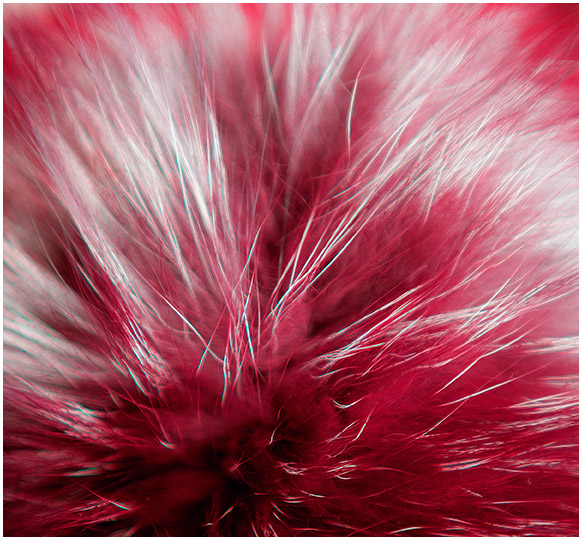
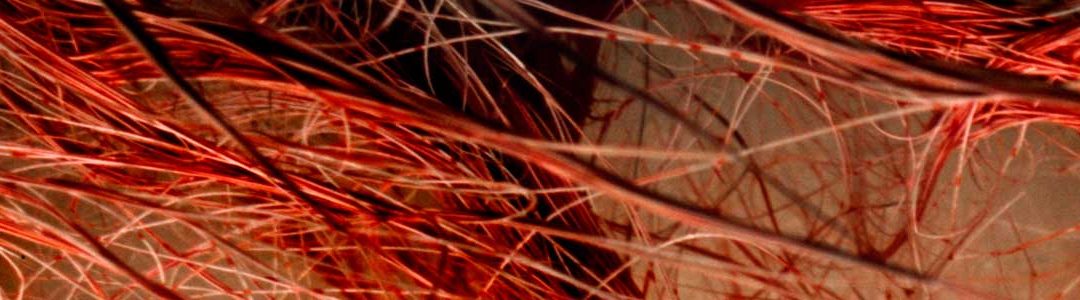
I am interested in the impact of time on both earthbound and celestial bodies. Time devastates flesh and rapidly consumes it. So we humans and beasts have a finite arc of time––a brief interval between birth and death––in contrast to the relative eternity of the cosmos. In performing dissections on dead beasts for this series, in peering intently at their viscera, I am struck by the grace and mystery inherent in the folds of brilliantly hued flesh, and fur and bone. This internal landscape is one of fearsome poetry. It echoes the immense and distant universe. A luminous arc of fur in darkness resembles a solar flare. Folds of flesh glow and stream like remote star fields. I must admit I do not observe this phenomena neutrally. I wish I could do more then simply dissect and expose the interior space, that secret rich place where memory and desire––a life––dwelled. I examine these interiors and wish I could perform my own miracles upon the flesh. I wish I could reverse the tide of time and bring the dead back to life, to make blood rush into the body instead of out, to inflate collapsed lungs with fresh breath, to seal gaping wounds neat and invisible like they were never there at all.